The Pulse

Dentistry is going through a time when consolidation is outpacing clinical trust. Financial pressures, new ownership models, and rising technology costs are changing how practices work and how patients receive care.
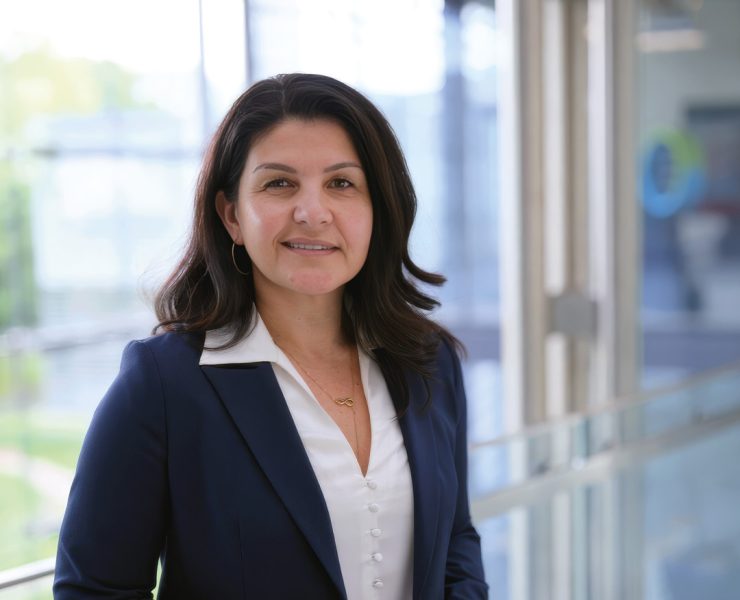
Cristina Nitulescu has always been drawn to big, complicated problems. Today, as Chief Information Officer (CIO) for Bayer Consumer Health, she is reshaping how the division uses technology and science-based self-care to reach billions of people and help them build healthier futures.
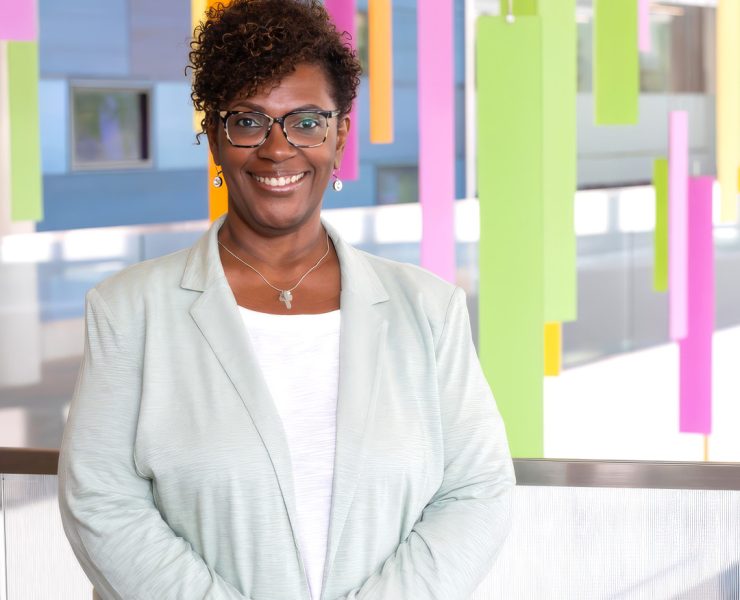
Pediatric care has unique pressures. Funding models differ from adult care. Consent can involve several caregivers. Access challenges affect families in ways that don’t always match policy.

Healthcare is in the midst of one of its most significant care delivery shifts in decades. Advances in remote patient monitoring, virtual care, connected devices, and value-based care models now make the home a viable setting for patients who once needed extended hospital or facility-based treatment.

Many people see aesthetic medicine as just about beauty, anti-aging, and cosmetic tweaks. In truth, today’s aesthetic medicine stands as a sophisticated global healthcare field. It now makes a real difference in physical rehabilitation, psychological wellbeing, regenerative medicine, and overall quality of life.
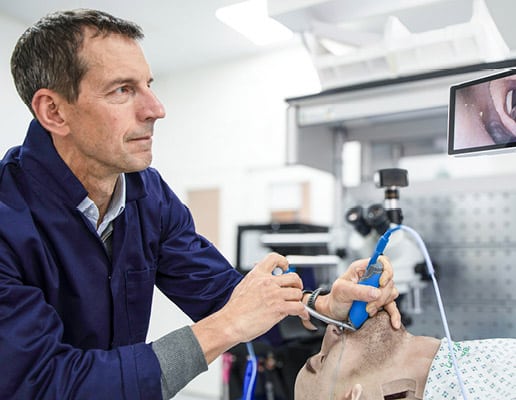
For more than three decades, Flexicare Group (Flexicare) has been driven by one clear purpose: supporting clinicians with dependable medical devices that they, and their patients, can rely on every day.
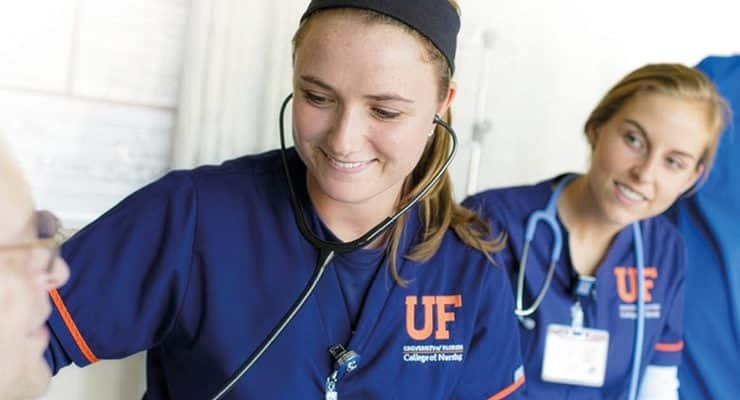
Since joining UF Health in September 2025, April has played a key role in advancing a unified, enterprise-wide revenue cycle strategy. She leads both hospital and physician revenue cycle operations, focusing on standardization, scalability, and operational alignment. Her leadership supports the organization’s ability to navigate evolving payer requirements, optimize reimbursement accuracy, and maintain a strong patient-centered approach while driving sustainable growth.

Paul Watson, Vice President and Global Lead for Healthcare & Life Sciences at Hitachi Digital Services, has more than 20 years of experience helping healthcare organisations turn data, AI, and digital platforms into practical improvements in both clinical care and operational efficiency. His work spans hospital operations centres, research data infrastructures, and national screening programmes, collaborating with partners such as the NHS, SingHealth, and Verizon.
He contends that the future of healthcare AI won’t be determined by the most advanced algorithms, but by organisations that focus first on strengthening and modernising the underlying digital foundations that support them.

As cyberattacks become more frequent, healthcare organisations have invested heavily in backup infrastructure and disaster recovery planning. On paper, these safeguards appear robust: if systems are encrypted or taken offline, the expectation is that services can simply be restored from backups and operations will quickly resume. However, real-world incidents show that recovery is rarely as smooth or as fast as leaders anticipate.

Surgeons in one country operating on patients thousands of kilometres away. Ambulances acting as mobile intensive care units, guided in real time by specialists and powered by live imaging. Medical students training in fully immersive virtual environments that accelerate their skills and careers.
A decade ago, these ideas would have sounded like science fiction. Today, driven by advances in AI, they are rapidly becoming reality—and in some cases, they are already in use.

At Qure.ai, Jim Mercadante’s work centers on bringing artificial intelligence into everyday clinical practice in a way that supports—not disrupts—how care is delivered.
The company’s technology is applied across radiology, emergency medicine, infectious disease, and clinical research, where it analyzes medical imaging such as X-rays and CT scans to help identify potential abnormalities earlier in the workflow. Rather than replacing clinicians, the system is designed to act as a support layer that highlights urgent or high-risk cases so they can be reviewed more quickly.
In everyday clinical practice, symptoms usually appear long before a diagnosis is made. One patient presents with resistant hypertension. Another reports persistent, unrelenting fatigue. A third struggles with attention and concentration at school or work. These cases move routinely through primary care, cardiology, endocrinology, psychiatry, and paediatrics. Yet sleep is rarely placed at the centre of the diagnostic process, even when the pattern of symptoms points strongly in that direction.
As a result, care often focuses on managing downstream effects while the underlying cause goes unrecognised and untested.