The Pulse

As cyberattacks become more frequent, healthcare organisations have invested heavily in backup infrastructure and disaster recovery planning. On paper, these safeguards appear robust: if systems are encrypted or taken offline, the expectation is that services can simply be restored from backups and operations will quickly resume. However, real-world incidents show that recovery is rarely as smooth or as fast as leaders anticipate.

Surgeons in one country operating on patients thousands of kilometres away. Ambulances acting as mobile intensive care units, guided in real time by specialists and powered by live imaging. Medical students training in fully immersive virtual environments that accelerate their skills and careers.
A decade ago, these ideas would have sounded like science fiction. Today, driven by advances in AI, they are rapidly becoming reality—and in some cases, they are already in use.

At Qure.ai, Jim Mercadante’s work centers on bringing artificial intelligence into everyday clinical practice in a way that supports—not disrupts—how care is delivered.
The company’s technology is applied across radiology, emergency medicine, infectious disease, and clinical research, where it analyzes medical imaging such as X-rays and CT scans to help identify potential abnormalities earlier in the workflow. Rather than replacing clinicians, the system is designed to act as a support layer that highlights urgent or high-risk cases so they can be reviewed more quickly.

In everyday clinical practice, symptoms usually appear long before a diagnosis is made. One patient presents with resistant hypertension. Another reports persistent, unrelenting fatigue. A third struggles with attention and concentration at school or work. These cases move routinely through primary care, cardiology, endocrinology, psychiatry, and paediatrics. Yet sleep is rarely placed at the centre of the diagnostic process, even when the pattern of symptoms points strongly in that direction.
As a result, care often focuses on managing downstream effects while the underlying cause goes unrecognised and untested.

The delivery of emergency healthcare now starts before a patient arrives at the hospital. FirstNet, Built with AT&T, announced its expansion of support for the “connected responder” model.
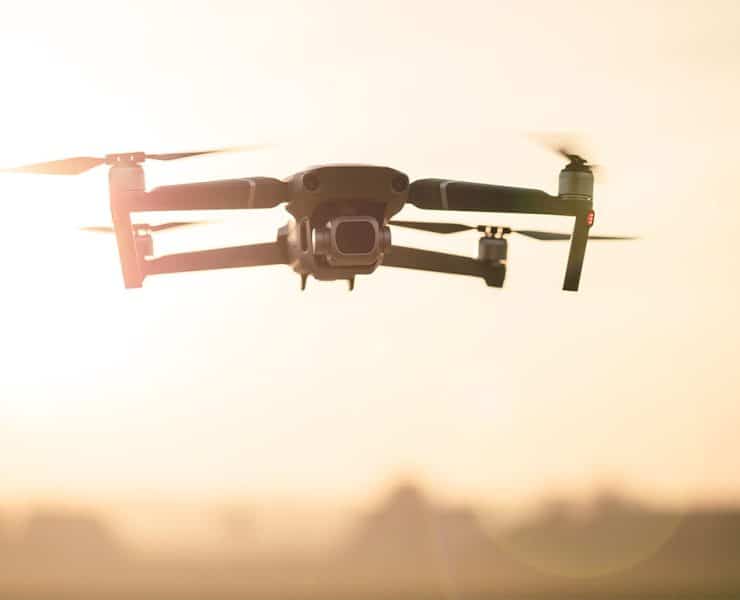
Autonomous drones transform healthcare with AI routing, real-time tracking, and cold-chain protection for nonstop hybrid deliveries.

AI is making headlines as it reshapes American healthcare diagnostics in 2026. Faced with a staffing crunch and a population that’s getting older fast, health systems are investing in smart, scalable technology to keep pace.

Brett Hudspeth is a tech leader with training in law and economics as well. And that’s just the beginning.

Fall 2025 was full of successful initiatives for Susan Goodson and her team—and they’re just getting started

Sony Sung-Chu wants you to imagine a benefits environment where there are no menus or dead links—just a conversation

Adam Robinson, co-founder and CEO of Hireology, has helped transform how companies approach hiring and talent management

This month, we’re showcasing eight healthcare executives to watch as they drive innovation in pharmacy, technology, and HR