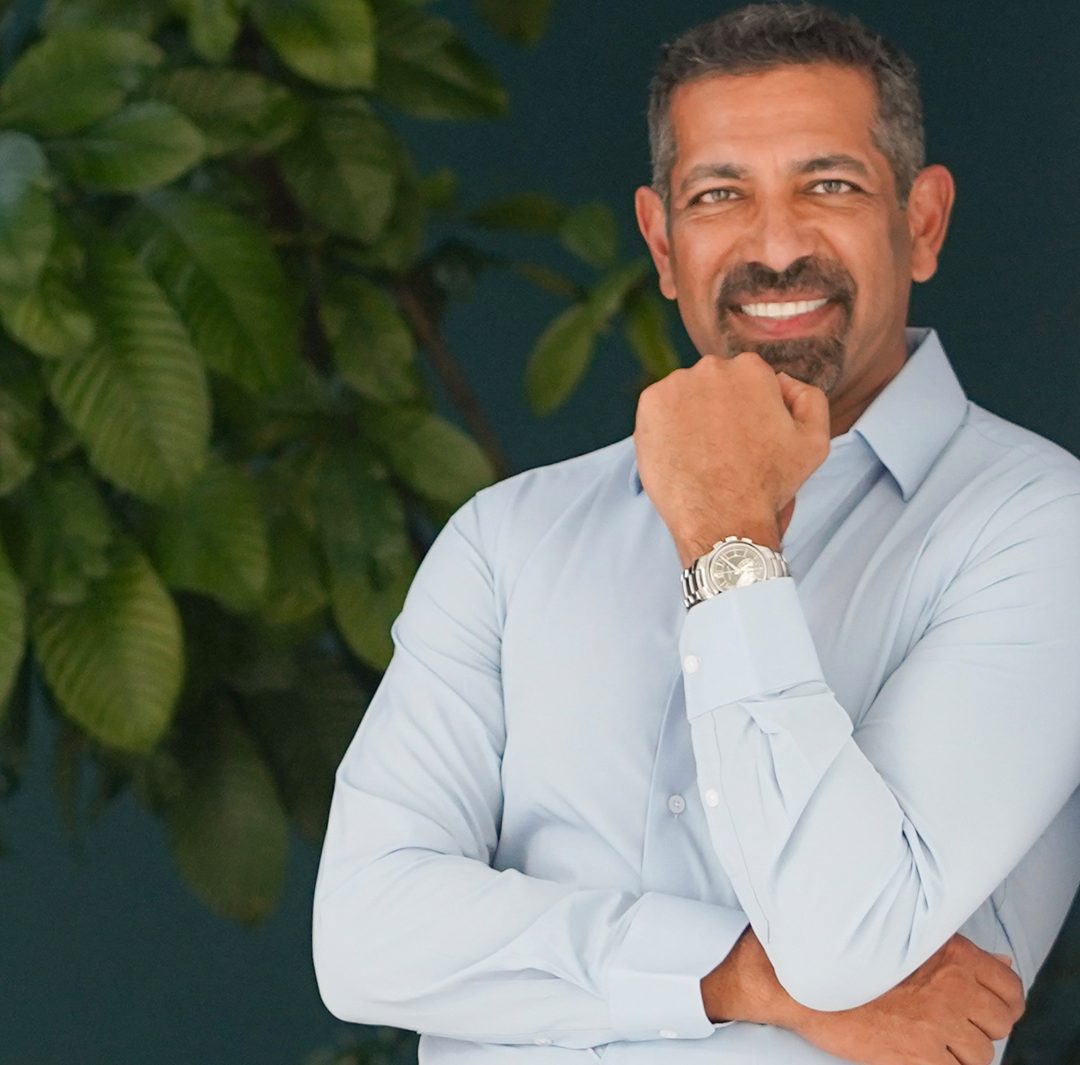
Dentistry is going through a time when consolidation is outpacing clinical trust. Financial pressures, new ownership models, and rising technology costs are changing how practices work and how patients receive care. Many clinicians have questions about control, culture, and continuity as their practices grow. In this environment, clinical leadership means more than following protocols or metrics. It shapes whether scaling up improves care or creates distance between providers and patients. At Imagen Dental Partners, Dr. Sameer Puri, Chief Clinical Officer, takes on that responsibility, working where ownership, education, and systems shape daily choices in the operatory.

Dr. Puri’s role matters in a market where financial structures often shape clinical outcomes. Imagen operates as a partnership, giving dentists ownership in both their practices and the parent company. The model puts clinical decisions on equal footing with financial performance. Dr. Puri is involved in doctor relations, education, compliance, and business development as part of his role. He also assists in guiding the rollout of new tools, clinical workflows, and standards across locations. He brings the perspective of a dentist who has practiced, trained colleagues worldwide, built education platforms, and invested his own capital in the organization he now helps to guide.
The model
Dr. Puri has been involved with Imagen Dental Partners since its earliest stage as an investor and moved into the Chief Clinical Officer role just over two years ago. The organization now spans more than 120 practices and keeps adding new locations each year. For Dr. Puri, what sets Imagen apart is ownership and a long-term focus. “Our partners are the majority shareholders of the organization,” he points out. “Doctors share ownership of their individual practices and also hold ownership at the top company level.”
That structure guides how Imagen grows and allocates capital. The company operates without private equity or institutional investment, a decision that shapes boardroom conversations and day-to-day practice operations. “That allows us to focus on the long term. Our goal is to build an organization where my colleagues and I would be proud to send our families to our doctors,” he explains.
Debt management aligns with that philosophy. Imagen uses financing, but Dr. Puri draws a clear line between just servicing interest and actually paying down debt. “Other groups’ service interest. We actively pay down our debt.” he observes. For partner dentists, this approach reshapes risk and reward. “As we pay down debt, we become stronger on the balance sheet and build equity over time,” he adds.
These financial choices connect directly to clinical standards. “We’ve turned down practices when they weren’t the right fit, whether clinically, operationally, or philosophically,” he explains. Quality always goes hand in hand with performance. “You can’t scale a practice long term while delivering poor dentistry. Redos, remakes, and unhappy patients eventually show up in the numbers,” he warns.
CEREC and digital dentistry roots
Dr. Puri’s view on quality comes from his own clinical career and his early involvement in digital dentistry. He graduated from USC School of Dentistry in 1997, completed his residency, and then built a private practice in Los Angeles. Along the way, he joined professional forums that brought together dentists who wanted to compare approaches and outcomes. Those experiences opened doors to speaking opportunities, training roles, and eventually to leading education events for thousands of dentists.
His journey led him into CAD/CAM dentistry through CEREC and into teaching roles that took him across the United States and internationally, presenting clinical work at that level shaped his standards and habits. “If you’re putting your work on a sixty-foot screen in front of thousands of people, it better be the best dentistry you can deliver,” he says.
Education grew into a business and a platform for seeing change over time. Dr. Puri founded what would become CDOCS, combining online learning with hands-on training. Over 17 years, the program reached thousands of clinicians. “You could see doctors start tentative and come back later with practices that had changed. Education drives skill growth, practice growth, and better patient care,” he shares.

Those lessons shape how Imagen develops its clinicians today. Unlike education companies focused on enrolment numbers, Imagen builds learning internally. “In my role today, we only run programs we believe in. These are our doctors. Attendance isn’t the driver. Impact is,” Dr. Puri explains. Education focuses on procedures, systems, and workflows that make a measurable impact inside each practice.
AI in clinical workflow
Since Dr. Puri first taught peers about chairside milling, his focus has evolved alongside it. Artificial intelligence now plays a central role, not just as a concept but as a daily, practical tool. “AI is already disruptive, and it’s only the beginning,” he shares.
Within Imagen practices, AI helps with diagnostics and clinical documentation. Dr. Puri points to ambient listening tools that turn chairside conversations into structured chart notes. “It frees doctors to focus on the patient rather than the administrative burden,” he explains. He expects AI will soon assist with treatment planning, giving clinicians more options to consider when reviewing images and records.
Operational workflows are not far behind. Dr. Puri sees AI reducing the overhead tied to billing, insurance, and administrative tasks, freeing up time for patients. Still, adoption follows a consistent framework. “Everything we implement must do two things. It must improve patient care, and it has to support practice growth,” he shares.
Imagen’s Clinical Advisory Board, made up of partner dentists from across the organization, evaluates new technology. The board tests the tools before a wider rollout and reports on their performance. Dr. Puri values that feedback. “Manufacturers make claims. We rely on our doctors to tell us what actually works,” he explains. Tools that pass review become part of internal protocols that outline their purpose, implementation, and expectations.
Leadership through ownership
Dr. Puri’s leadership style centers on shared accountability, not a rigid command structure. He sees partners reach out to each other for guidance, collaborate on cases, and join study clubs across locations. Ownership at multiple levels facilitates this behavior. “Doctors have ownership in their own practices and in the broader organization. That creates real engagement,” he notes.
The structure also shapes how Imagen navigates industry consolidation. Dr. Puri points to high-profile failures linked to debt-heavy platforms that make the news. “When large groups collapse under debt, that’s what people hear about. Meanwhile, successful models such as ours that grow steadily tend to stay out of the news,” he remarks.
When asked about progress, Dr. Puri focuses on execution, not just scale. He wants Imagen to keep adding practices, supporting partners, and maintaining financial discipline while always putting care at the core.
On a personal note, there is one question he wishes people would ask more often, “Have you had fun? The truth is, I’ve had a great time along the way.”
That response reflects a career that has gone far beyond the private practice he once imagined and a leadership style rooted in real-world experience. As Imagen continues to adapt to a changing dental landscape, Dr. Puri’s influence remains grounded in ownership, education, and tools that help care scale, one decision at a time.