The Pulse

Explore five independent living communities in Harrisburg with transportation services that help residents access appointments, shopping, local amenities and activities.

Discover the best healthcare virtual assistant companies with BAA compliance in 2026 and learn what to look for when protecting PHI and outsourcing administrative support.
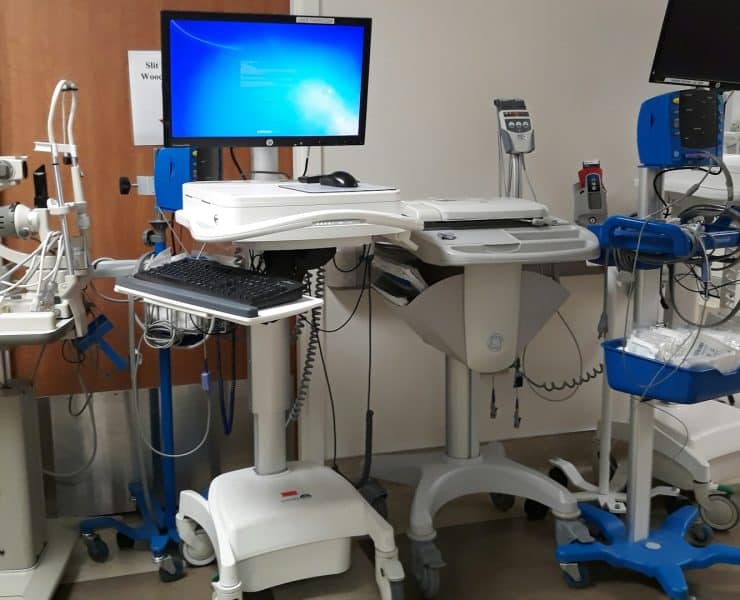
Enterprise IPTV solutions can help healthcare facilities improve patient education, wayfinding and communication while supporting more efficient operations and scalable video distribution across multiple locations.
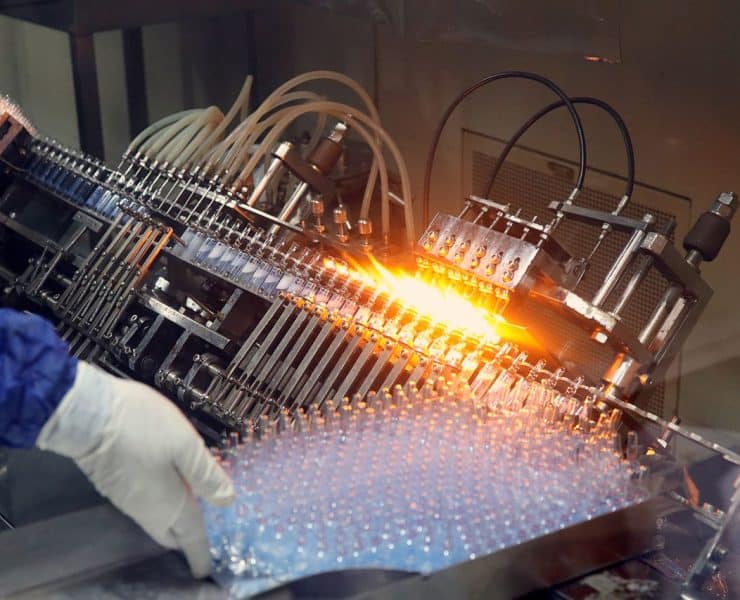
Ultrasonic transducers support diverse applications across pharmaceutical manufacturing, from cleaning and mixing to process monitoring. As you evaluate new equipment investments, technical performance represents only part of the decision.
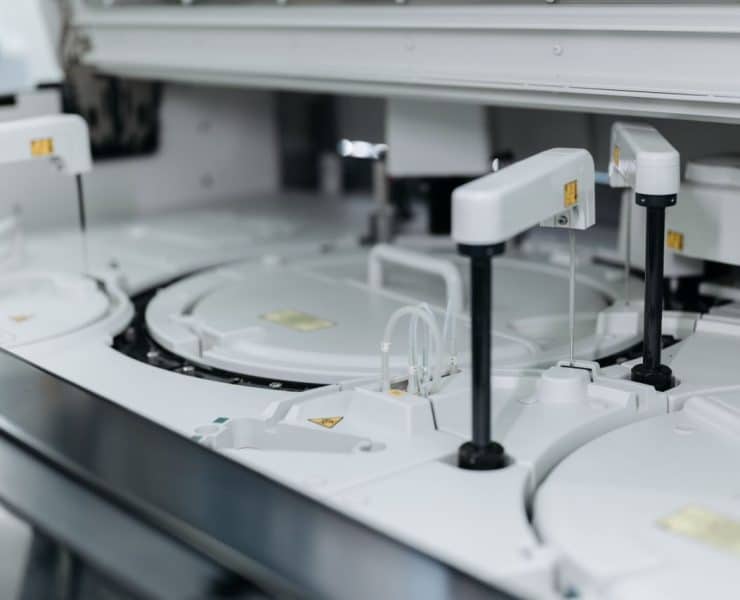
Explore the benefits of automated laboratory equipment, including faster drug discovery, improved data quality, greater safety and more intelligent research workflows.

With 72% of surveyed patients preferring minimally invasive spine surgery, healthcare leaders must ensure their operational infrastructure can keep pace with growing demand.
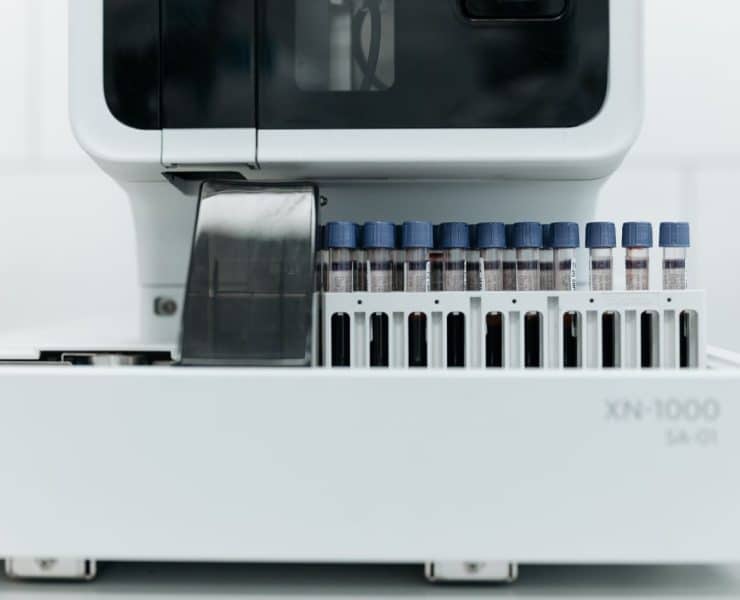
Discover how healthcare leaders can evaluate liver health management solutions based on clinical accuracy, workflow efficiency, interoperability, adaptability and long-term value.

Explore how healthcare providers can assess psychological readiness for surrogacy, establish screening standards and support gestational carriers before, during and after pregnancy.

Benefits of Combining Massage Tools with Commercial-Grade Cold Therapy for Physical Therapy Patients
Discover how combining massage tools with commercial-grade cold therapy can support pain management, reduce inflammation and improve efficiency in physical therapy clinics.
Healthcare workforce shortages and escalating administrative costs are straining health systems nationwide.
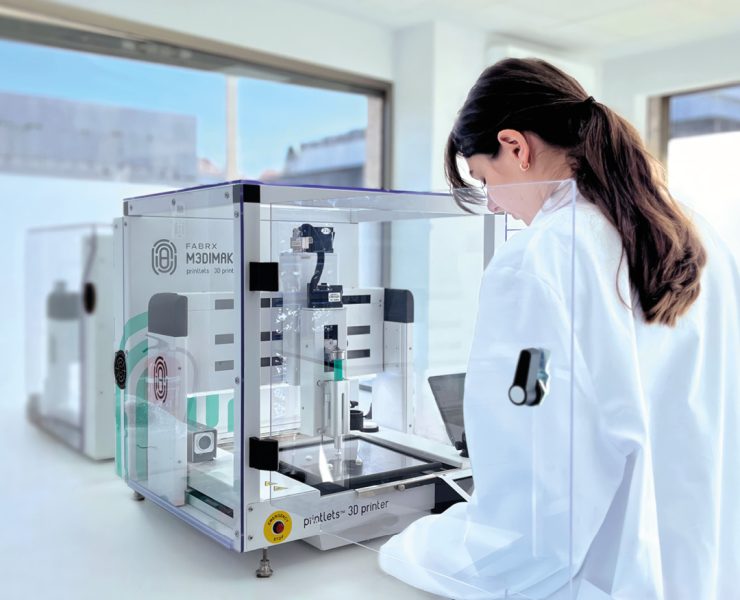
“You miss every shot you don’t take.”
Marc Joiner does not treat that as just a slogan. It shapes his decisions and guides his career. Today, it forms the foundation of his work as Co-founder at Pete Pharma, where he leads pharmaceutical compounding in a new direction.

Patient charts, diagnostic images, and sensitive telemetry data no longer stay within the concrete walls of the hospital. Instead, they live within complex digital networks that are constantly under threat from global actors. Because of these vulnerabilities, New York State has enacted the nation’s toughest hospital cybersecurity regulations under 10 NYCRR Section 405.46