Pediatric care has unique pressures. Funding models differ from adult care. Consent can involve several caregivers. Access challenges affect families in ways that don’t always match policy. Across the US, children’s hospitals operate in systems where Medicaid is central, and each decision shapes outcomes for patients and families. These realities frame the work at Akron Children’s Hospital (Akron).
Since opening in 1890, Akron has expanded to two hospitals campuses and nearly 70 care sites, serving about half a million patients each year. In 2027, the hospital will be opening two additional campuses in the Rocky River area of Cleveland and in Marietta OH, just north of West Virginia. Its reach covers emergency care, specialty treatment, and community services. Clinical decisions and regulatory requirements interact every day. In pediatric care, legal questions often arise right in the center of care delivery.

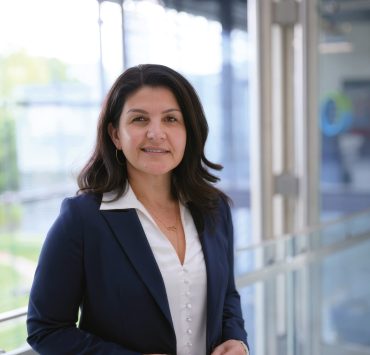
As Chief Legal Officer, Kimberly ‘Kim’ Moses’ department plays an integral role by making legal, compliance, and risk management part of the hospital’s daily operations. Her team keeps the system running smoothly and within regulatory boundaries. “The legal department includes attorneys, as well as compliance and risk management professionals.”
Her work connects directly to how care moves through the system. Families arrive with urgent needs that can’t wait for legal review. Physicians and staff make quick decisions, sometimes without complete information or clear consent. That’s where legal support matters most. “If I had to say where we have the greatest impact, it would be risk management and helping our providers and front-line employees across the organization manage and make decisions on a day-to-day basis.”
Pediatric realities
At Akron, the scale of care makes pediatric challenges even bigger. Medicaid drives reimbursement and shapes how services grow. “The biggest challenge for pediatrics is the anticipated cuts in Medicaid, because it is not uncommon that 50 to 60, maybe even 70 percent of your patient population is Medicaid,” she says.
The payer mix puts pressure on many areas of operations. Decisions about growth, staffing, and access all link back to funding structures that can change quickly.
Consent is another recurring challenge. Children arrive with caregivers whose legal authority isn’t always clear. These situations come up every day across departments and locations. “Issues around who can consent for care for children are an everyday occurrence in a pediatric hospital. It’s all day, every day.”
Each situation is unique. Sometimes it involves divorce, foster care, or informal caregiving arrangements that need legal interpretation before non-emergent care moves forward. In the instance of emergency care, Kim says, “I’d rather defend caring for the patient than not.”
The hospital works to break down those barriers beyond the bedside. Through a partnership with the University of Akron School of Law, supervised law students help families tackle legal custody issues that could delay treatment. “The law students can help families like a grandmother who is out there on her own get the legal custody that she needs to consent for care for the child.” These challenges define the environment in which Kim operates, shaping how the legal function integrates into clinical workflows.
Leading from within
Kim joined Akron in 2023 after a career spanning hospitals, managed care, and academic medicine. Her path into law reflects a different kind of first. “I am a first-generation everything. Neither of my parents graduated from high school. I am the first person in my family to get a college degree, and I am the only lawyer in the family.”
Her career unfolded across different parts of the healthcare system, shaping how she approaches legal leadership today. “I have been practicing law for about 28 years, the majority of that in some portion of healthcare, on the provider side, in managed care, and at the University of Pittsburgh in health sciences and research.
“In my experience, you not only have to know the law, but you have to know your organization; the culture, the policies, the business, and the financial pieces, so when you are in a room and there is a conversation that may be or may not be legal, you can speak up.” That holistic philosophy shapes the legal department as a strategic partner. At Akron, the attorneys are assigned to specific areas of practice and engage early in planning and decision-making. “We know the law; we know the business. So, being at the table when conversations first start, we understand both the concept and the strategic goals.”
Technology and risk
Access at Akron is not just about how patients enter the system, but how easily they move through it. That shift is reshaping how care connects with families and how decisions get made across the organization. “The push is practical: reduce wait times, remove friction, and meet families where they are.”
For the legal department, it means stepping into conversations earlier, before tools are implemented rather than after. “For our legal department with an organization that wants to lean into AI, technology is really where we are spending a lot of time thinking about things differently. A lot of it involves technology; while the use of an electronic medical record is primarily used for clinical information, we optimize its use to streamline making appointments, facilitate communication between providers and patients, including other reminders.” Akron is also exploring improving patient access and experience through other initiatives including text messaging appointment reminders and invoicing.

The advancements in technology don’t always fit neatly within existing legal frameworks. Communication that feels routine, like a reminder or a follow-up, can carry legal weight when it involves patient data. As Kim puts it, “especially in a pediatric setting where consent adds another layer.
“Text messages may include protected health information. Therefore, the legal analysis must include, and weigh, convenience versus privacy, and how can we utilize the technology in a way that is compliant while helping patients get care the way they choose.” Balancing blends innovation and constraint, as improving access and managing risk often happen concurrently.
Leading with balance
Kim leads by aligning with organizational goals. She expects legal professionals to work within the system, not apart from it. “As an attorney, alignment with the goals of your client is critical, because it allows you to support decisions rather than just review them.”
That expectation shapes how her team supports decision-making. Legal is part of how the organization plans and executes its work. “Lawyers have to be an integral part of your organization in order to give you the best representation.” At the same time, she recognizes the tension between caution and progress. Growth requires decisions made with uncertainty. “Lawyers are very risk-averse, and that can feel uncomfortable, but business teams have to take on some risk to get things done.” So, legal professionals in hospitals must strike a workable balance. “It really is getting comfortable with some level of risk to be able to let the reins go a little bit so the organization can grow and develop.”
Grounded in purpose
As Akron continues to expand its reach and services, regulatory uncertainty doesn’t let up. Forewarned is forearmed: “Being informed and figuring out how these changes impact our organization is very important, because then we can help in the planning process if we know what is coming.”
The work continues through transactions, partnerships, and new initiatives tied to patient access and care delivery. That focus has gained recognition beyond the organization: Akron’s legal team was recently nominated among the top corporate legal departments globally, placing it among a small group of children’s hospitals recognized for legal, compliance, and risk integration.
For Kim, the role is about the people around her and the mission that brings them in every day. “I have an excellent team of attorneys and compliance/risk professionals who are here because of the mission to do great things for pediatric care.” As Akron continues to grow, that mission drives how Kim leads legal and how the hospital moves forward.