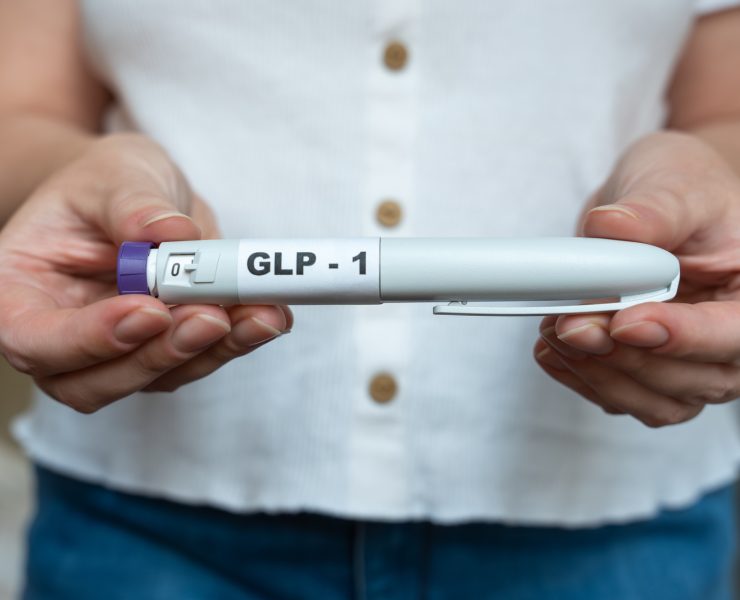
The obesity drug market is entering a new phase as pharmaceutical companies race to develop oral therapies, combination treatments and next-generation medicines. With forecasts pointing to a $100 billion annual market, competition is shifting from two dominant players to a much broader field of innovators.

Medical device sales representatives using AI are significantly more likely to meet or exceed quota, according to new research. While most teams currently use AI for administrative tasks such as email drafting and meeting summaries, the greatest opportunity lies in applying AI to commercial intelligence, account planning and sales strategy.
UnitedHealth Group’s second-quarter earnings beat Wall Street expectations as tighter cost controls and improved margins helped restore investor confidence. The stronger results prompted higher full-year guidance and suggested the healthcare giant’s turnaround strategy is beginning to gain traction despite ongoing industry challenges.

Nearly 9.6 million US adults have traveled overseas for dental treatment, highlighting how rising costs and insurance limitations are changing the way Americans access oral healthcare.
NYU Langone Health’s proposed academic medical center in Melville represents one of the largest healthcare investments on Long Island in decades. Combining patient care, medical education and research, the development could reshape healthcare access, workforce development and regional economic growth.

Amazon Pharmacy is expanding access to oral GLP-1 medications through same-day delivery and prescription kiosks inside One Medical clinics, signaling a broader shift toward logistics-driven healthcare delivery.

In oncology biotech, legal teams play a central role in advancing scientific innovation within complex regulatory and policy environments. At Exelixis, General Counsel Brenda Hefti, J.D., Ph.D., exemplifies that role by aligning legal strategy with scientific innovation and business objectives. She helps drive the delivery of therapies to patients while guiding the company through litigation, intellectual property strategy, regulatory challenges, and evolving government policy — positioning Exelixis at the critical intersection of law and science.
In everyday clinical practice, symptoms usually appear long before a diagnosis is made. One patient presents with resistant hypertension. Another reports persistent, unrelenting fatigue. A third struggles with attention and concentration at school or work. These cases move routinely through primary care, cardiology, endocrinology, psychiatry, and paediatrics. Yet sleep is rarely placed at the centre of the diagnostic process, even when the pattern of symptoms points strongly in that direction.
As a result, care often focuses on managing downstream effects while the underlying cause goes unrecognised and untested.

Sarah Ginnetti faces down an unexpected budget deficit while also growing UConn’s footprint. It’s complicated, but not impossible.

How Michael Ricci supports, among multiple areas, Mass General Brigham’s massive home-healthcare business

Fall 2025 was full of successful initiatives for Susan Goodson and her team—and they’re just getting started

Kristi Yowell and her team are transforming people and culture operations at Loyola University Maryland.