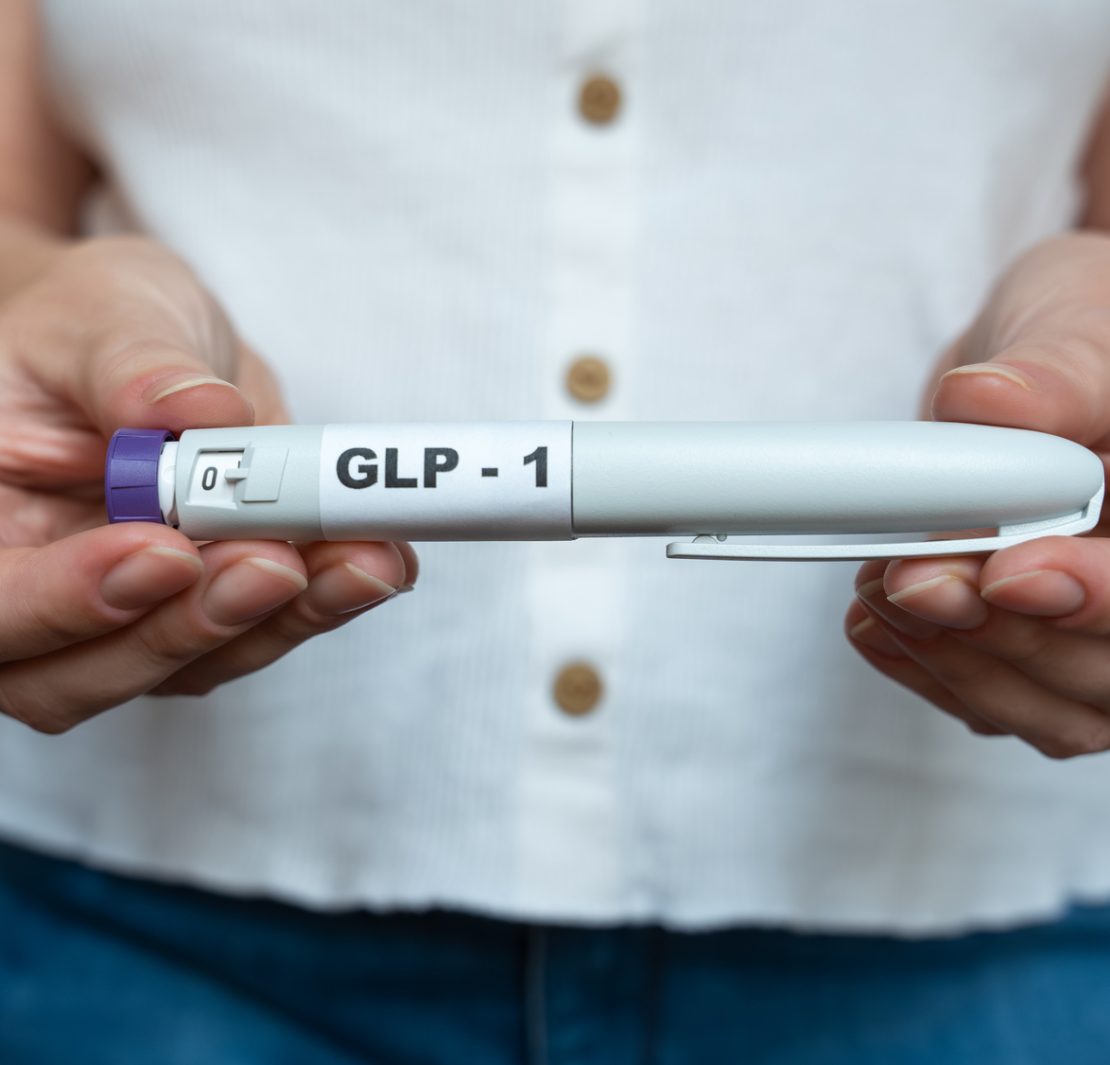
The success of GLP-1 medicines has transformed obesity treatment into one of the pharmaceutical industry’s fastest-growing markets. What began as a two-company race between Novo Nordisk and Eli Lilly is quickly becoming a broader contest involving many of the world’s largest drugmakers alongside emerging biotechnology firms.
The commercial opportunity is substantial. Analysts estimate the global obesity drug market could generate about $100 billion in annual sales during the next decade, attracting billions of dollars in acquisitions, licensing agreements and research investment. At the same time, scientific innovation is expanding beyond the first generation of injectable medicines. Companies are developing oral therapies, combination drugs and treatments designed to preserve muscle while delivering meaningful weight loss.
The blockbuster market is reshaping pharmaceutical strategy
Novo Nordisk and Eli Lilly demonstrated that obesity medicines could become some of the world’s highest-selling pharmaceutical products. Their commercial success has prompted competitors to rethink long-term research priorities, directing significant investment toward obesity and metabolic disease.
Large pharmaceutical companies that traditionally focused on oncology, cardiovascular disease or immunology are expanding into obesity through acquisitions and licensing agreements as well as internal research. AstraZeneca, Roche, Merck, Amgen and Pfizer have all strengthened their pipelines in an effort to compete in a market that continues to grow.
The industry’s strategy extends beyond producing another version of today’s leading medicines. While the first generation of GLP-1 therapies established a new standard of care, the next phase of competition is expected to focus on improving convenience, tolerability and long-term outcomes. Drug developers are increasingly pursuing therapies with differentiated clinical profiles rather than attempting to replicate existing products.
Competition is also influencing investor expectations. As more candidates progress through clinical development, analysts are reassessing assumptions about pricing power and long-term market concentration. The obesity market is expected to remain one of the pharmaceutical industry’s largest growth opportunities, although future revenues are likely to be shared across a wider group of companies.
The next generation of obesity medicines will extend beyond injections
Oral therapies have become one of the industry’s highest priorities. Tablets offer a familiar treatment option that could appeal to patients who prefer not to use injections while potentially expanding access to treatment.
Novo Nordisk recently secured approval for an oral version of Wegovy in the UK, while Eli Lilly received US approval for orforglipron. Those milestones have accelerated development across the industry as competitors seek to introduce their own oral obesity medicines.
Research is also moving beyond traditional GLP-1 therapies. Several companies are developing dual and triple agonists that target multiple metabolic pathways, while others are combining GLP-1 medicines with amylin-based therapies to improve efficacy and durability.
Muscle preservation has become another important area of development. Although current weight loss medicines can deliver significant reductions in body weight, preserving lean muscle is emerging as a potential point of differentiation. Success in this area could improve patient outcomes and strengthen the commercial appeal of future therapies.
Smaller biotechnology companies continue to influence the competitive landscape. Firms such as Viking Therapeutics, Kailera Therapeutics and several Chinese developers are advancing promising candidates that could challenge established pharmaceutical companies over the coming years.
Competition is increasing as the market matures
The obesity market is entering a more competitive phase. Demand continues to rise, although increasing competition is expected to influence pricing, reimbursement and long-term commercial strategy.
Generic competition remains several years away for many products, but investors are already considering how additional therapies could affect profitability. Healthcare systems may also gain greater negotiating leverage as more treatment options become available.
Manufacturing capacity has become a strategic advantage. Demand for GLP-1 medicines has repeatedly exceeded supply, demonstrating that commercial success depends on production capability as much as clinical performance. Companies that can manufacture at scale while maintaining reliable supply chains are likely to be well positioned as adoption continues to expand.
The next decade is unlikely to be defined by a single blockbuster medicine. Instead, the market is expected to evolve into a diverse portfolio of therapies tailored to different patient populations and supported by advances in metabolic science.
For pharmaceutical executives, investors and healthcare providers, obesity treatment has moved beyond its breakthrough phase. The industry’s next chapter will be shaped by scientific differentiation, manufacturing capacity and the ability to deliver therapies that improve outcomes while expanding access for millions of patients.
Source