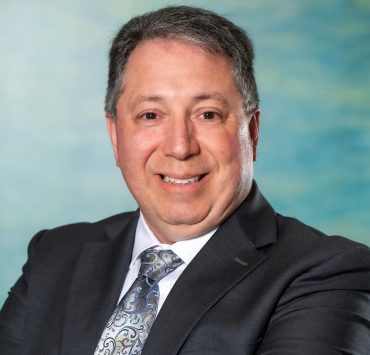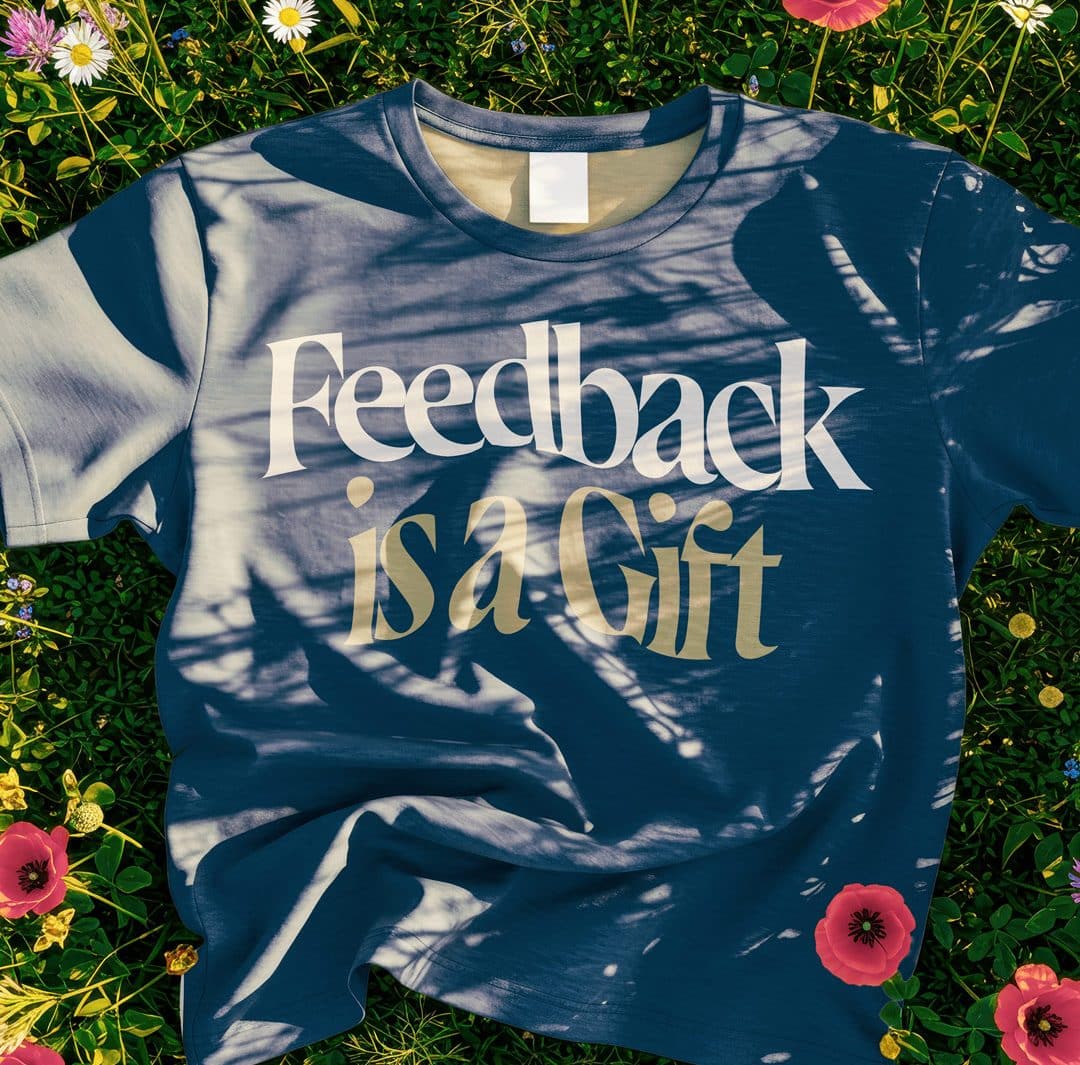
At the George Washington University, feedback isn’t just encouraged, it’s a philosophy. Feedback is a Gift. For Janet Monaco, that phrase isn’t just a catchy slogan, it’s a guiding principle. One that her boss has repeated for years, reminding her that whether feedback is good, bad, or in-between, it’s valuable. Feedback is information that she and her team can inevitably process and use to create better benefits outcomes for GW employees.
“That feedback is so important, because even if there’s not an immediate solution we can offer at the moment, it’s going to be something we continue to think about and work to solve down the line,” says Monaco, director of benefits. “When people reach out to us, it’s oftentimes at an emotionally driven time that involves a big life change. Benefits is in a unique position to touch people all along their life and career journeys. My goal for GW is to have our community feel supported from their first day until retirement, all along the way.”
It’s this philosophy that has made Monaco compulsive in her desire to communicate the benefits her organization offers. And over seventeen-plus years, the director is still challenged by finding the best ways to serve her internal clients and her team.
GWell and Continuing Benefits Education
Since the last time American Healthcare Leader spoke with Monaco in 2022, that conviction has only intensified, shaping GW’s GWell wellbeing program and how she and her team combat continually rising costs in the space.
The benefits team has deepened and branded their wellbeing framework under GWell, a platform anchored by the tagline “building a community of wellbeing.” The director is emphatic that the tagline be more than just that. There has to be an intentional and sustained effort to make that tagline a reality.
That philosophy has informed the evolution of the benefits portfolio itself. Rather than adding offerings that may just check a box for financial wellness or mindfulness, Monaco insists that programs must reflect what employees say they actually need.
Her team recently fielded a comprehensive benefits survey that directly asked employees how they wanted to be communicated with and what “missing benefit” they would choose if they could add just one. The responses are now shaping both program design and the communication channels GW prioritizes, with a deliberate mix of live sessions, recorded content, and on-demand resources to match different learning styles and schedules.
To keep employees from disengaging in the face of complexity, Monaco returns to benefit literacy as a cornerstone.
“We don’t want a lack of understanding to be the reason someone doesn’t access care or use a benefit they’re paying for,” the director explains.
That often means re-communicating the same concepts in multiple formats and at different moments in the employee lifecycle, reinforcing that the benefits team is a trusted guide.
“Communication isn’t a nice-to-have in benefits,” Monaco says. “It’s the bridge between confusion and care.”
The GW benefits team is building more than a program; they’re building relationships across campus. If communication is Monaco’s obsession, trust is the currency her team strives for. The average tenure on her benefits team is roughly nine years, a figure she cites with justifiable pride, proof that consistency and credibility aren’t just ideals, but everyday practice.
The Benefits Hug
She frequently uses the image of a “benefits hug” to describe how programs and vendors should operate together: a supportive circle of resources that surrounds a person in whatever moment they are in, without overwhelming them.
That sensibility extends to vendor selection, where Monaco views partners as an extension of her team’s values and tone. The result is a benefits ecosystem designed not just to function on paper, but to feel tangible, caring, and responsive in real life.
“Benefits is in a unique position to touch people all along their life and career journeys. My goal for GW is to have our community feel supported from their first day until retirement, all along the way.”
Janet Monaco
She is clear that the success of GW’s benefits program is not a one-woman show. Her leadership philosophy is defined less by command than by removing barriers and stacking the team with people who are curious, compassionate, and willing to work hard. She often returns to a lesson from a coach who always preferred a dedicated, kind-hearted player over a temperamental star.
“The mechanics of benefits can be learned,” Monaco says, “but the heart of great work comes from curiosity, kindness, and commitment.”
Seventeen years into her tenure at GW, Monaco is keenly aware that staying in one organization this long is uncommon. Yet she remains, because she does not feel her work is finished. There are still communication gaps to close, new ways to make benefits more accessible, and further opportunities to ensure employees see themselves in the programs that surround them.
She also has no interest in letting the program or the culture stand still. Offerings like the Headspace mindfulness app, added early in the pandemic and still heavily utilized, reinforce for her that employees value whole-person support.
As GWell continues to mature and communication strategies become more sophisticated, Monaco keeps returning to one central test: When an employee reaches out in a moment that matters, do they feel understood, supported, and embraced by that metaphorical benefits hug?
Monaco is determined for the feedback on that particular question to always be yes.
Aetna, a CVS Health business, serves an estimated 37 million people with information and resources to help them make better informed decisions about their health care. Aetna offers a broad range of traditional, voluntary and consumer-directed health insurance products and related services, including medical, pharmacy, dental and behavioral health plans, and medical management capabilities, Medicaid health care management services, workers’ compensation administrative services and health information technology products and services. Aetna’s customers include employer groups, individuals, college students, part-time and hourly workers, health plans, health care professionals, governmental units, government-sponsored plans, labor groups and expatriates. For more information, visit Aetna.com (e.g., clinical diagnoses, eligibility criteria, participation in a disease state management program).