Cisco has been people centric since computer scientists Leonard Bosack and Sandy Lerner founded the company in 1984, offering the first multiprotocol router that connected different computer networks and thus laying the groundwork for Web 1.0.
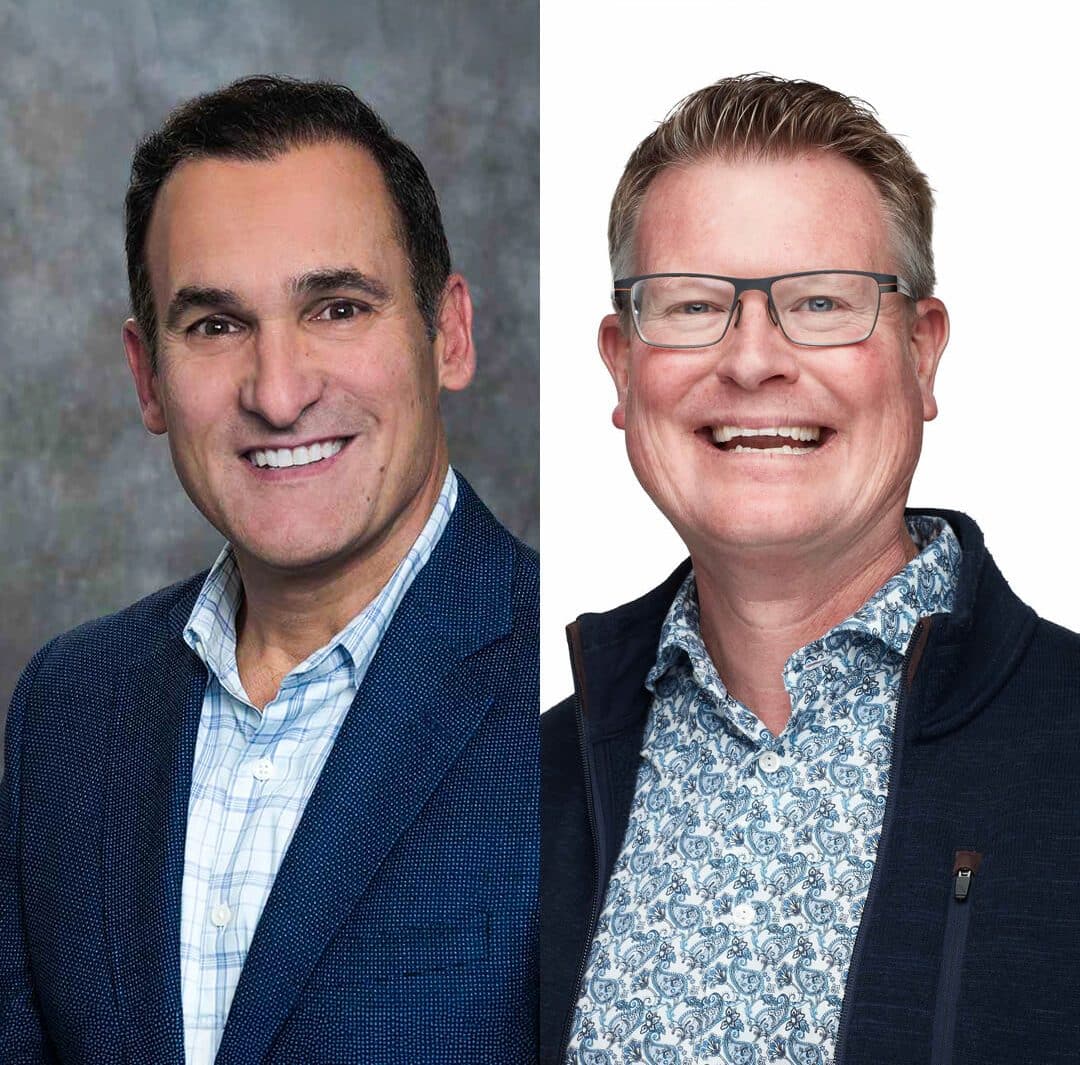
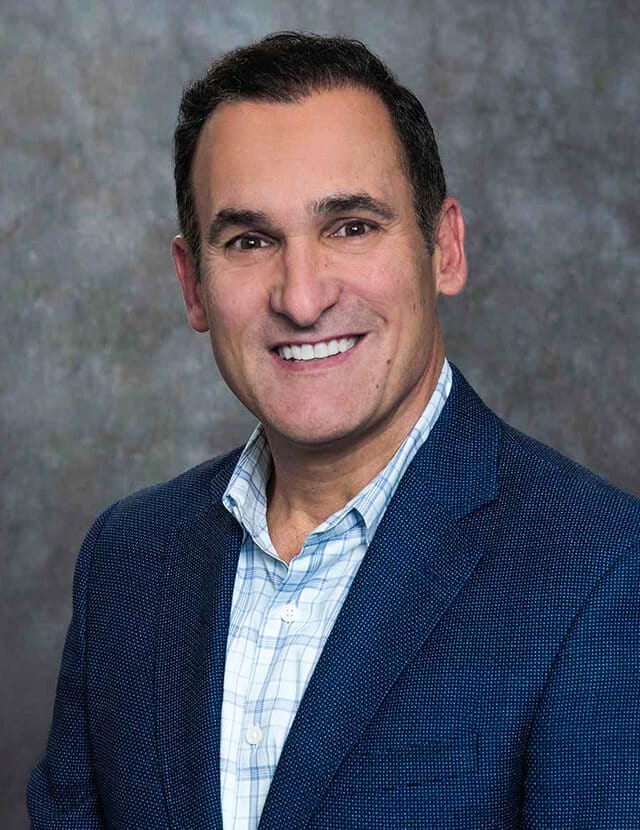
During the intervening forty-plus years, Cisco’s philosophy has been reflected in its caring and people-first culture. “When employees work hard, we know that leadership work hard for them. It’s not a policy, it’s a practice,” says Ted Kezios, senior vice president of People Care at Cisco.
Eliminating a Stigma
Caring is not just a value at Cisco. It’s a leadership philosophy that’s evolved over time. Cisco, leaders work for their people, not the other way around. “You’ll hear that from our managers and actually all the way up to our CEO,” Kezios says. That tone is reflected in leadership guiding principles which have evolved over the years, from “give your ego a day off” to a more current expectation of “lead change and embrace AI to reinvent ourselves.”
At the forefront of Cisco’s compassion is its view of mental health, which grew out of an email sent by a Cisco CEO highlighting the stigma of mental health by declaring no one needs to go it alone. “That was not mere talk, but leadership modeling the culture by actually speaking what we model around Cisco’s culture,” Kezios says.
“We’re doubling down on setting global standards around making sure mental health benefits are increasingly accessible to all employees,” adds Scott Floyd, Cisco’s global benefits leader.
In addition to destigmatizing mental health challenges, Cisco has created an inclusive environment in which people feel dignity, respect, and psychologically safe. It’s not just the right thing to do, according to Kezios, it also ties into Cisco’s culture as well as its talent attraction and retention strategy.
Redefining Benefits
Like many employers, Cisco analyzes how its benefits reflect its culture and purpose and adjusts them accordingly. The most stunning adjustment has been a shift from what it offers to how it listens. For example, Cisco stopped incentivizing participation in its health programs and started building trust by meeting people where they are with programs as diverse as its workforce.
When burnout and mental health became impossible to ignore, Cisco leveraged its People Deal and asked how it can help its employees be more present in the moments that matter, resulting in benefits like grandparents’ time off, time to volunteer, non-gender based paid parental leave, and critical time off. “We redefined what family meant to include even pets and roommates. Life doesn’t really fit in neat boxes, and neither should our benefits,” Kezios explains. “Listening, adapting, recognizing that caring for our employees and families isn’t separate from business success—it is business success.”
Leaning into these values, leadership thought globally about reducing inequities and digging deeper into caregiving. “One of our most at-risk roles in the organization is the middle manager caregiver, and caregivers are often disproportionately women. In the tech world, making sure we’re not impacting the career trajectory of all that are in the workforce and fulfilling Cisco’s Purpose to power a more inclusive future for all,” Floyd says.
Cisco is closing those gaps, investing in its people, and raising the bar globally. “That’s one of the most fulfilling things you can have happen where you see it impacting the lives of someone regardless of where they are in the world. Global employees have access to caregiver concierge support, independent expert physician evaluations, and resource to support neurodiverse children and family members,” Floyd says.
Trust Equals Success
While positive reviews on platforms like Great Place to Work and Glassdoor enhance Cisco’s brand, publicize its benefits package, and attracts talent, a company cannot buy a reputation. “You have to earn it one experience at a time,” Kezios says, because reputations are earned through trust backed by data. “Trust without data is just intuition.”
Kezios and Floyd develop trust by rigorously analyzing data that reveal the needs and desires of employees and share the data back with the employees to close the loop. “It’s really that intersection of trust in data at the end of the day,” Kezios says.
Wading in a “swamp of benefits data,” can be overwhelming, Floyd says. Interpretation is the secret. “We pay attention to each business unit, but take a close look at our broader trends, both in the US and globally. We look at it across wellbeing, wellness checks, and prevention and tune into chronic illness that can affect the productivity and individual wellbeing sentiment of our employees,” he explains.
Cisco is exceeding industry benchmarks, especially in prevention and mental health. “We’re transcending some stigma, but the work is never done because the needs and the workforce dynamics call you to monitor what’s happening. And what we can truly say is that we can draw the line between what our data is showing us and where we’re adapting. The data continues to show us too that there’s work to do because mental health is an evolving science and the future of work requires evolving where we put attention,” Floyd says.
Partners Not Vendor
Some companies have vendors offering their benefits, but Cisco has partners, meticulously chosen using data. “We can truly say we draw the line between what our data is showing us and where we’re adapting to what Cisco’s people need,” Floyd says. Before they even discuss systems, processes, or those benefits that they intend to offer, Kezios and Floyd insist their partners participate in Cisco culture training that provides insight into how to care for its people. “If they don’t get our culture, they can’t deliver the experience we’re trying to provide our people,” Kezios says.
In Alight, one of Cisco’s benefits partners, Cisco found a curated solution that provides navigators and issue management leads that support and align with Cisco’s culture. “They’ve proven adaptable to evolving needs where we’ve needed to create a simple employee journey. And they’ve been able to support that and adapt to emerging challenges,” Floyd says.
UnitedHealthcare, Cisco’s other benefits partner, manages and monitors Cisco’s 120,000 US employees and their dependents and provides access to physician guidance and input, even in the most sensitive individual cases. Collaborating in population health data, and leveraging physician leadership, is deliberate and uses internal and external data to monitor critical and chronic health gaps.
“Behind every workforce are families navigating moments that matter—aging, illness, caring for children, loved ones with complex needs, and even pets,” says Lindsay Jurist-Rosner, CEO and co-founder of Wellthy. “We’re so proud to partner with Cisco to ensure employees around the world have the support they need to care for those who depend on them.”
Focusing on the Remarkable
Global benefits leaders are navigating a most challenging era as they deal with accelerated healthcare costs brought on by the pandemic. “While medical inflation has always been there and it’s always exceeded general GDP and has been a watch item since the pandemic, additional disruptions now include healthcare worker burnout,” Floyd says.
Floyd has employed innovation during these challenging times while always keeping the employee at the center of all decisions. Currently, Cisco is readying options to make benefits more intuitive through targeted concierge care. “Our role is to make it easier for employees to do the right thing, with support and care, education, and we’re removing barriers and continuing to offer programs that our employees can trust and more quickly receive care as they balance so much,” Floyd says.
Looking to the future, Kezios and Floyd agree AI will enhance humanity through personalization. “We see AI as a key driver in our unified employee experience strategy. When AI handles the routine, humans can focus on the remarkable. That’s where that magic happens,” Kezios says.
Putting the human at the center as it has for over forty years, Cisco has partnered with a company that allow customer service reps to manage the emotional toll that handling call after call can take. “Cisco’s partnered technology analyzes tension on the calls and prompts partner wellbeing resets, sixty-second mindful breaks with guided breathing and calming visuals. It’s AI recognizing when humans need a moment to breathe,” Kezios says.
United HealthCare Services, Inc.:
“Our commitment to employee well-being reflects the growing importance of innovative benefits strategies that help organizations like Cisco support a healthier, more engaged workforce.”
–Marie Schmitt, Vice President, Client Relations
We’re proud to partner with the Cisco team since 2022, delivering Health Administration, Healthcare Advocacy & Navigation, and Financial Wellbeing Guidance for Cisco employees. Together, we have created an integrated high-tech, human touch experience that boosts Cisco employee wellbeing, engagement and productivity. Alight supports tens of millions of employees and dependents, helping them confidently navigate key health and financial decisions. By integrating health, wealth, wellbeing, absence and navigation into a unified, AI-powered employee experience, we guide employees toward their best next steps. This approach helps our clients achieve a healthier, more financially secure and productive workforce. Learn more at alight.com.
For several years, Wellthy has partnered with Cisco to support employees and their families as they navigate the realities of caregiving. Through Wellthy’s care concierge platform, Cisco employees can access hands-on guidance from dedicated Care Coordinators who help them manage complex care needs for loved ones—from aging parents to children with special needs and everything in between. In 2026, Cisco expanded access to Wellthy globally, ensuring employees around the world have the support they need to care for their families while continuing to thrive at work.