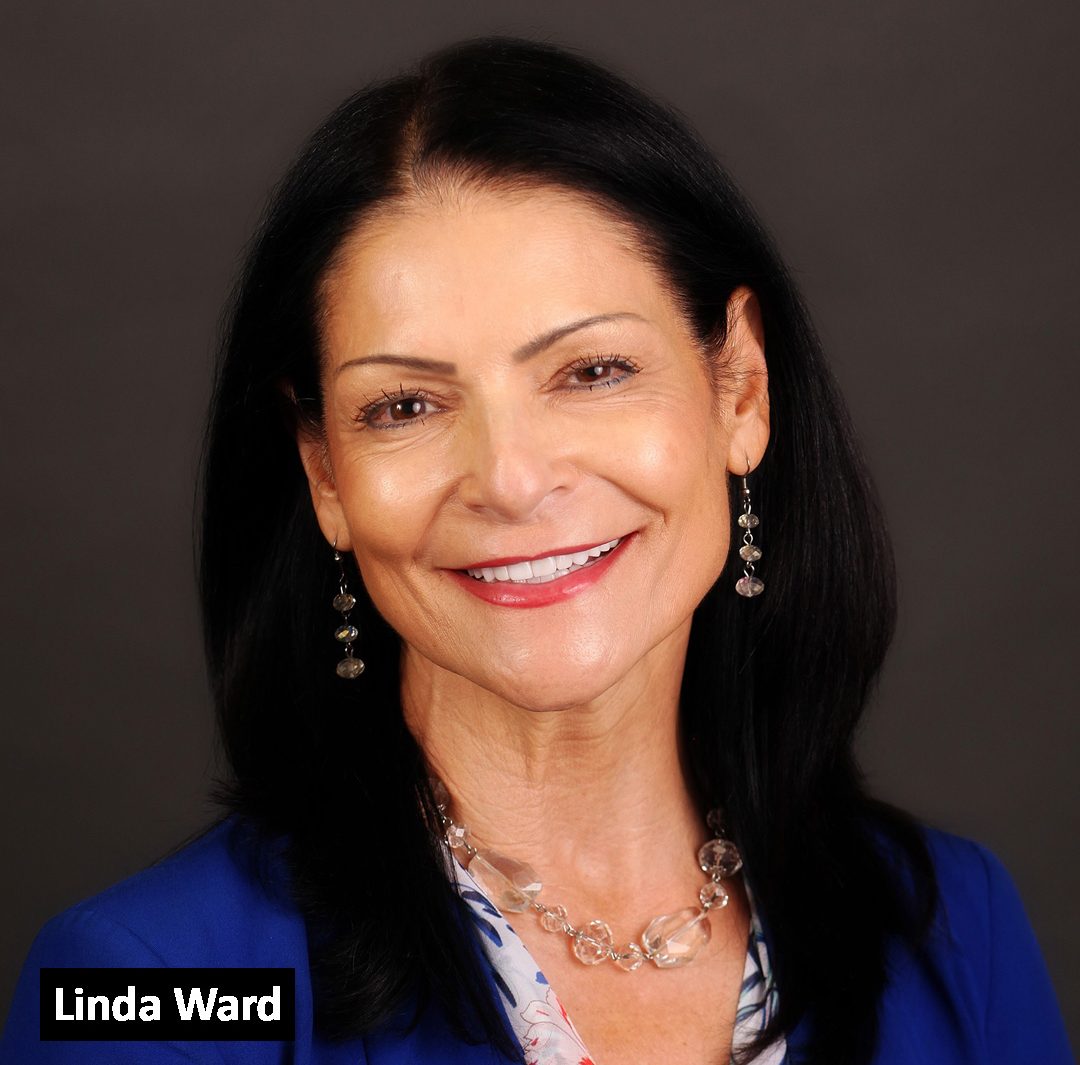
Few areas of healthcare are closer to life’s defining moments than hospice and palliative care. Patients and families often enter the system during uncertain times. Providers handle growing regulatory oversight, reimbursement pressures, and workforce demands. At Gulfside Healthcare Services (Gulfside), which provides hospice, palliative care, and home health services across the Tampa Bay region, President and Chief Executive Officer Linda Ward leads an organization right at the intersection of those challenges. As Gulfside grows, she focuses on more than just operations and performance metrics. Every decision centers on the people receiving care and the employees who make that care possible.
“First and foremost, it is really about serving people in need during life’s most devastating and critical times. We can never forget that,” she shares.
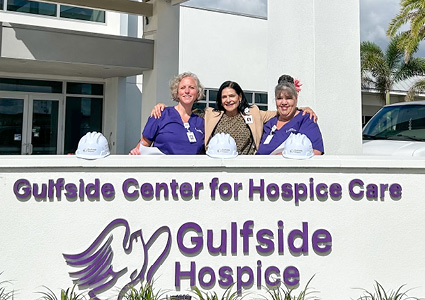
That outlook has guided Linda throughout a healthcare career spanning more than four decades. She entered the profession as a clinician before moving into management and executive leadership roles across hospitals and long-term care organizations. Along the way, she developed expertise in operations, finance, business development, and organizational growth.
Those skills became essential when she arrived at Gulfside. By then, she had spent more than 20 years in larger healthcare organizations and had a clear vision of the leader she wanted to become. “I knew I had the sales, operations, and executive leadership skills to truly run a company and help it grow. My goal was to provide the best care with the best people, which naturally led to serving more people.”
Hospice remains Gulfside’s largest service line, but the full continuum of care shows how patient needs change over time. Some people need end-of-life care. Others need help managing a chronic illness or are recovering after a hospital stay and need nursing or rehab at home. For Linda, that continuum means more than an operational model. It is about meeting people where they are.
People drive growth
Most people talk about growth in terms of numbers, locations, or capacity. Linda sees it differently. She believes patient outcomes and employee experience go hand in hand, and the organization’s expansion reflects that.
Gulfside grew from its roots as a local hospice provider, but Linda credits that progress to culture, not size. “If I had to sum it up, I would say engagement. You have to connect with everyone who works here. Nobody is more or less important,” she explains.
Linda’s belief in engagement is not confined to leadership theory. It influences how people are recruited, trained, developed, and supported throughout their careers at Gulfside. New employees receive organization-wide orientation before moving into department-specific training. Clinical teams participate in ongoing education, while leadership development, certifications, tuition reimbursement, retreats, and town halls create opportunities for growth beyond day-to-day responsibilities.
“I was always supported as I grew into leadership. So, I try to do the same for my executives, directors, and managers. They join in decision-making and strategic planning, and they have the autonomy to create new programs and grow their departments, which helps the company thrive,” she notes.
Supporting employees, expanding services, and maintaining high care standards all come at a cost. That reality keeps financial sustainability front and center for Linda. Like many nonprofit healthcare organizations, Gulfside operates within tight margins. Long-term strength takes diversification and discipline.
Along with healthcare services and philanthropic support, Gulfside operates four thrift stores that generate nearly $3 million annually. This model shows Linda’s belief that mission and sustainability go hand in hand. “Nonprofits can’t serve communities well unless they keep the resources needed to support their work.”
Regulation vs healthcare
Staffing and sustainability are always on Linda’s mind, but healthcare gets more complex every year. Regulatory oversight keeps growing across the sector, and Linda feels the added burden firsthand. “One of our biggest challenges comes from the growing scrutiny of state and federal regulators. I am proud to say Gulfside remains extremely compliant and heavily involved in regulatory processes. But it takes a lot of manpower away from providing daily care and services,” she observes.
At the same time, home health providers continue to face reimbursement pressures that place additional strain on resources. These realities require healthcare leaders to balance compliance, quality, staffing, and financial performance simultaneously.
Not every challenge Gulfside faces comes from inside the healthcare system. Families often meet hospice or palliative care during uncertain times, and myths can shape those early conversations. “The biggest challenge is a misconception or misunderstanding about the difference between hospice and palliative care. There are also hospice myths: that hospice is costly, that it hastens death, that hospice is a place, or that you cannot use your own doctor.”
Those misconceptions persist despite years of education and outreach. For Gulfside, addressing them means helping patients and families understand the distinction between palliative care, which supports people living with serious chronic illnesses and can be provided alongside treatment, and hospice care, which focuses on comfort, symptom management, and support at the end of life.
These conversations often start with simple clarification. “Hospice is not a place; it is a concept of care. Hospice does not hasten death, and patients never have to lose their own physician. Patient-centered care means people stay in control of their care plan.”
Through physician outreach, hospital partnerships, workshops, webinars, and community programs, Gulfside works to ensure those conversations happen before families are forced to make decisions in the middle of a crisis.
These discussions often shine a light on a bigger challenge in American healthcare: the challenge of navigation. Even when services exist, many patients do not know where to turn, what they qualify for, or how the pieces of the system fit together.
Staying independent
For Linda, the future is not defined solely by growth targets or market conditions. It is about preparing the next generation of leaders.
Early in her career, Linda saw success as delivering patient care and building the skills she would need to lead. Today, she defines it differently. “I’m positioned to keep growing people through mentoring and leadership, as well as maintaining and building that overall success for Gulfside Healthcare Services to remain a strong, stable, independent community organization.”
It is a perspective shaped by more than four decades in healthcare. And while the industry continues to evolve, Linda remains focused on a challenge that has remained constant throughout her career: helping people navigate complex moments with greater clarity, support, and dignity.
“People need greater access to care and easier navigation programs. It is hard for people to understand and navigate healthcare programs because of managed care and the insurance puzzle,” Linda reflects.