David Navazio did not set out to build a career in wound care. Early on, he received advice that shaped his career: first choose the right industry then let the role follow. Healthcare stood apart from the alternatives he considered. “Hospitality was too crowded. IT was too scary. Finance was too boring. When I looked at healthcare, I saw everything from large companies and manufacturers to clinics. I thought, how great healthcare is when you really think about it. If you believe healthcare is a right, there’s something meaningful about being part of an industry that helps deliver it.”
Healthcare gave him options. Wound care gave him a purpose. At the time, the specialty was still finding its footing, but David saw what others were only beginning to recognize. “I really fell in love with wound care because you could literally make a significant difference. You can actually prevent amputations. You can improve the quality of a patient’s life.”
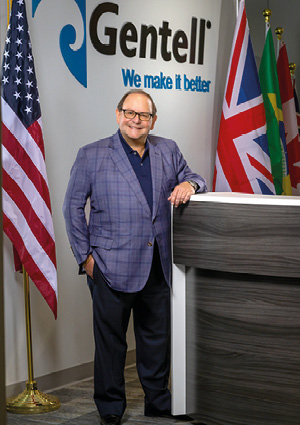
Today, David leads Gentell, a company founded in 1994 that serves 5,000 nursing homes across the US and operates manufacturing facilities on five continents. As CEO, he oversees a business that develops products, provides wound care services, manages distribution, and uses clinical data from the field to guide treatment decisions and product development. That combination sits at the center of Gentell’s strategy and explains much of its growth.
One system
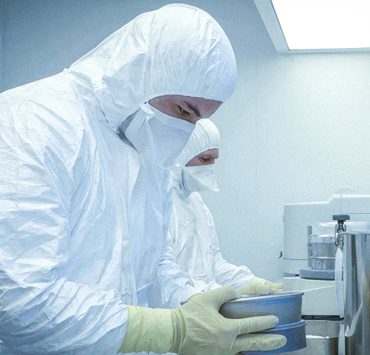
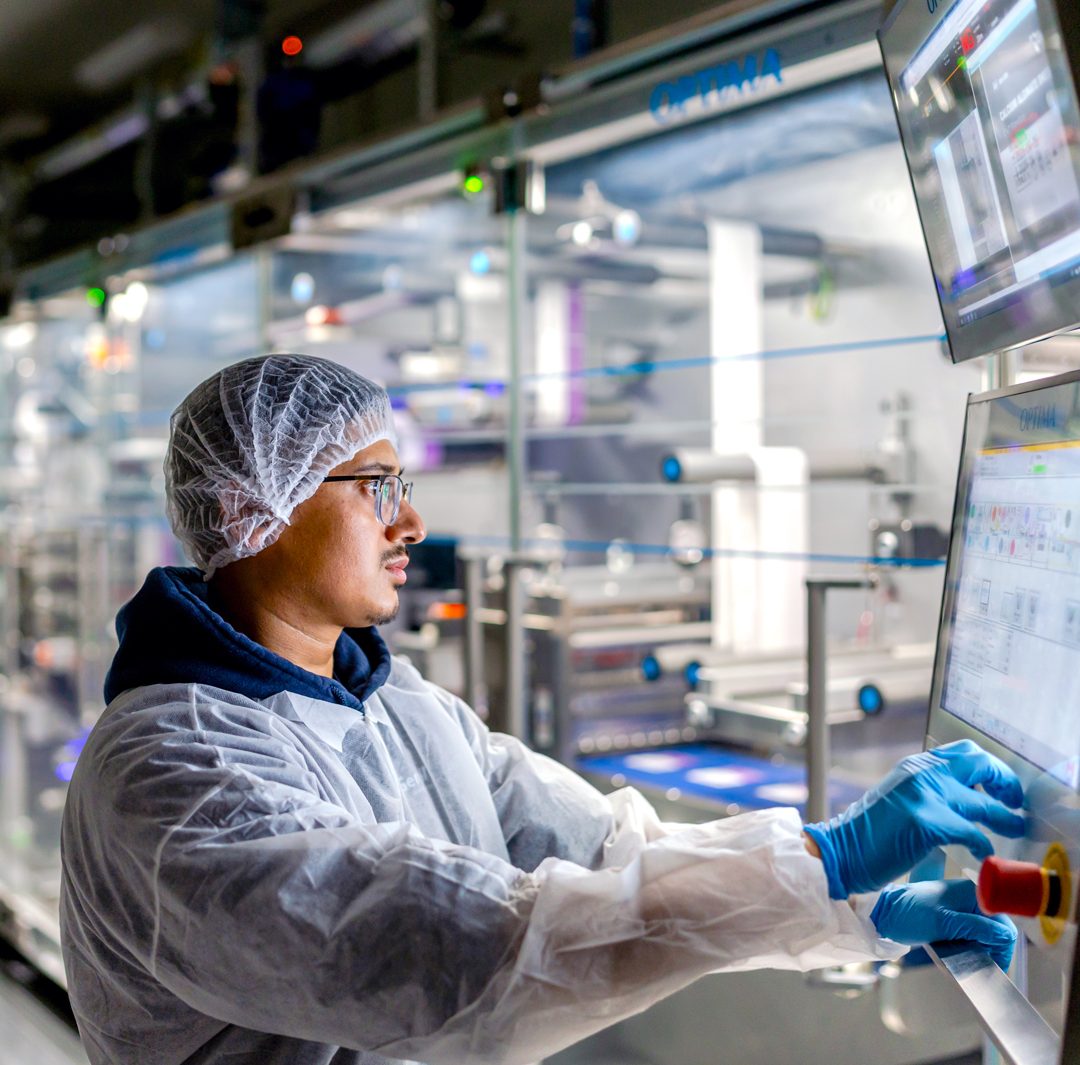
David believes Gentell’s structure gives it a perspective unavailable to organizations that operate in only one part of the health care value chain. “Gentell is the world’s largest vertically integrated wound care company. We provide wound care services, and we own the assets that produce the products used in treatment. It’s a complete picture. In many cases, we’re also the distributor because we deliver those products through our own warehouses and distribution network.” The model does more than create operational control. It provides access to information generated through daily patient care. “No other manufacturer of wound dressings collects the data we do. Every day, we document and manage thousands of wounds. Because we’re collecting and analyzing that information every day, nobody understands how products perform in wound healing better than Gentell.”
The data matters most when it drives treatment decisions. Rather than beginning with a product, Gentell begins with an assessment. “You need to understand the characteristics of the wound first. Measure its size, type, drainage, and stage, then choose the treatment accordingly.” For David, the two sides of the business reinforce each other.
The provider side informs manufacturing, while manufacturing experience strengthens clinical practice. Together, they create a feedback loop that shapes both product development and patient care.
Growth decisions
In 2026, Gentell ranked No. 1,358 on the Inc. 5000 list. David was named Dealmaker of the Year after a series of transactions.
Growth, however, has never been an end in itself. As Gentell expanded, David became more selective about where the company invested and why. “I’ve never believed that you build a company by making acquisitions. I prefer to grow through customers. But when an acquisition fits with what we’re already doing in wound care, nursing homes, or post-acute care, and supports traditional Gentell values, then we make that acquisition.”
ManukaMed was the natural fit, deepening Gentell’s line of medical-grade honey wound dressings. First Honey was a stretch, opening a consumer market the company had never served. “We knew very little about consumer products. It was a completely different go-to-market model from what we were used to. I’m a big believer in building capabilities internally, but in this case we needed to acquire a company that specialized in consumer products.” The acquisition extended Gentell’s reach into retail, where First Honey products are now sold through major chains and online channels across the US.
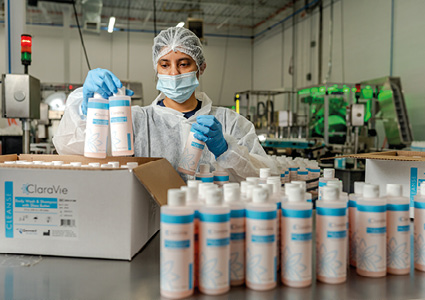
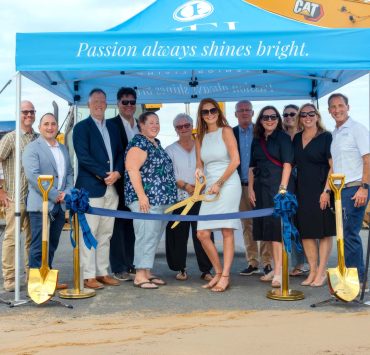
Not every growth initiative came through acquisition. Earlier this year, Gentell introduced ClaraVie, a skin protection line of cleansers, washes, and shampoos developed in-house and built around the needs of its existing patient population. Gentell makes ClaraVie at its Toronto facility following years of planning and investment.
“Many of these products are focused on protecting the skin. Preventing a wound from developing is a great thing to do. The same is true of washes and shampoos. Hygiene is very important, because using the right cleansing products helps protect the skin and prevent damage.”
Across the pond
Growth remains a priority, particularly in the UK, where David spends time each month and where Gentell continues to expand its presence. The company already works with the UK’s National Health Service and has started supporting wound care programs with Barchester Healthcare, a major care home provider, which David calls “really very exciting for us.” David sees the UK as a chance to help providers rethink wound management, not just as a platform to sell products.
Gentell’s experience as both provider and manufacturer stands out. “Being a provider gives us the experience, and being a manufacturer gives us the product. Health care systems are different around the world, but as we do both, Gentell has the flexibility to respond to those differences.”
Culture and community
As the business expands, David remains focused on culture. Gentell employs more than 1,000 people, runs Gentell University, and promotes from within. Employee referrals are one measure: “When employees recommend their friends or family members to work for us, I see that as a great testament to the culture we’ve built here at Gentell.”
David’s ambitions don’t stop at Gentell’s own workforce. Through partnerships that introduce young people to health care and manufacturing, it aims to open doors to careers they might never have considered. “Gentell is a successful business, and we believe we have an obligation to give back to the community.” As Gentell weighs a move into Brazil and pushes further into Europe and the Middle East, David returns to the principle that first drew him into health care: better patient outcomes.
“Products may change. Programs may change. Leadership will eventually change. But the mission and values that have made Gentell successful cannot change. Everything we do comes back to managing wound care efficiently and affordably,” David concludes.