IT

Patient charts, diagnostic images, and sensitive telemetry data no longer stay within the concrete walls of the hospital. Instead, they live within complex digital networks that are constantly under threat from global actors. Because of these vulnerabilities, New York State has enacted the nation’s toughest hospital cybersecurity regulations under 10 NYCRR Section 405.46

Paul Watson, Vice President and Global Lead for Healthcare & Life Sciences at Hitachi Digital Services, has more than 20 years of experience helping healthcare organisations turn data, AI, and digital platforms into practical improvements in both clinical care and operational efficiency. His work spans hospital operations centres, research data infrastructures, and national screening programmes, collaborating with partners such as the NHS, SingHealth, and Verizon.
He contends that the future of healthcare AI won’t be determined by the most advanced algorithms, but by organisations that focus first on strengthening and modernising the underlying digital foundations that support them.

As cyberattacks become more frequent, healthcare organisations have invested heavily in backup infrastructure and disaster recovery planning. On paper, these safeguards appear robust: if systems are encrypted or taken offline, the expectation is that services can simply be restored from backups and operations will quickly resume. However, real-world incidents show that recovery is rarely as smooth or as fast as leaders anticipate.

Surgeons in one country operating on patients thousands of kilometres away. Ambulances acting as mobile intensive care units, guided in real time by specialists and powered by live imaging. Medical students training in fully immersive virtual environments that accelerate their skills and careers.
A decade ago, these ideas would have sounded like science fiction. Today, driven by advances in AI, they are rapidly becoming reality—and in some cases, they are already in use.
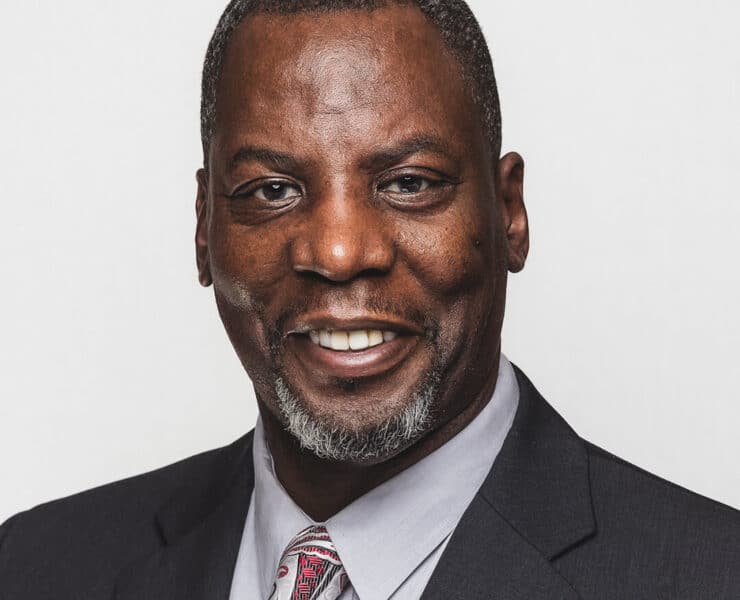
Thurston Smith came to Swope to serve patients who are often overlooked

Forward-thinking cybersecurity leaders in healthcare foster organization-wide vigilance and accountability to patient data and strengthen operations for a risk-aware culture

Angela Johnson and her Children’s Wisconsin IT team keep sick kids safe, connected, and on the road to recovery

Dan Howard is leading San Ysidro Health through a massive electronic health records overhaul that focuses as much on people as on technology
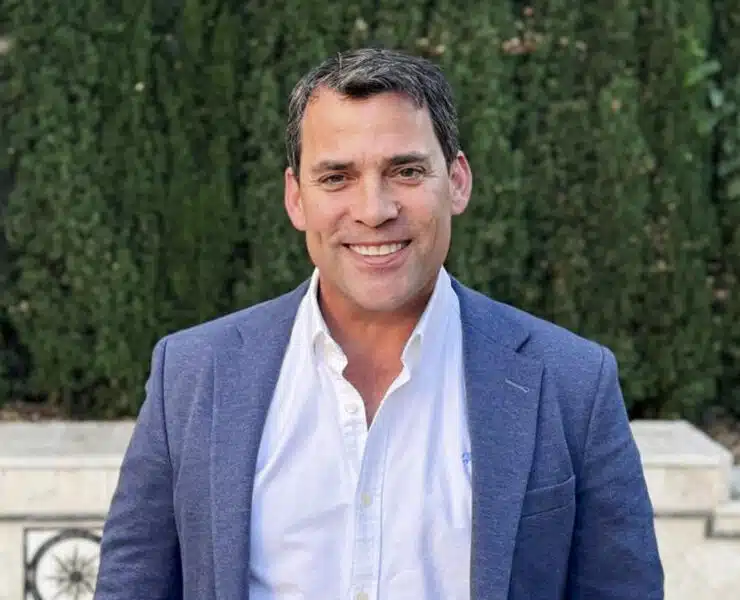
Bradley Lambert doesn’t offer quick fixes. His consulting firm MILREA focuses on lasting, strategic improvements.

US Army officer turned Arkansas Blue Cross and Blue Shield CISO Devin Shirley on what it takes to protect companies against threats and keep data safe

Nemi George, a veteran IT leader, is doubling down on commonsense solutions that reduce delays and improve outcomes at PDS Health

Jonathan Chan helps tech leaders create change in healthcare at Episource