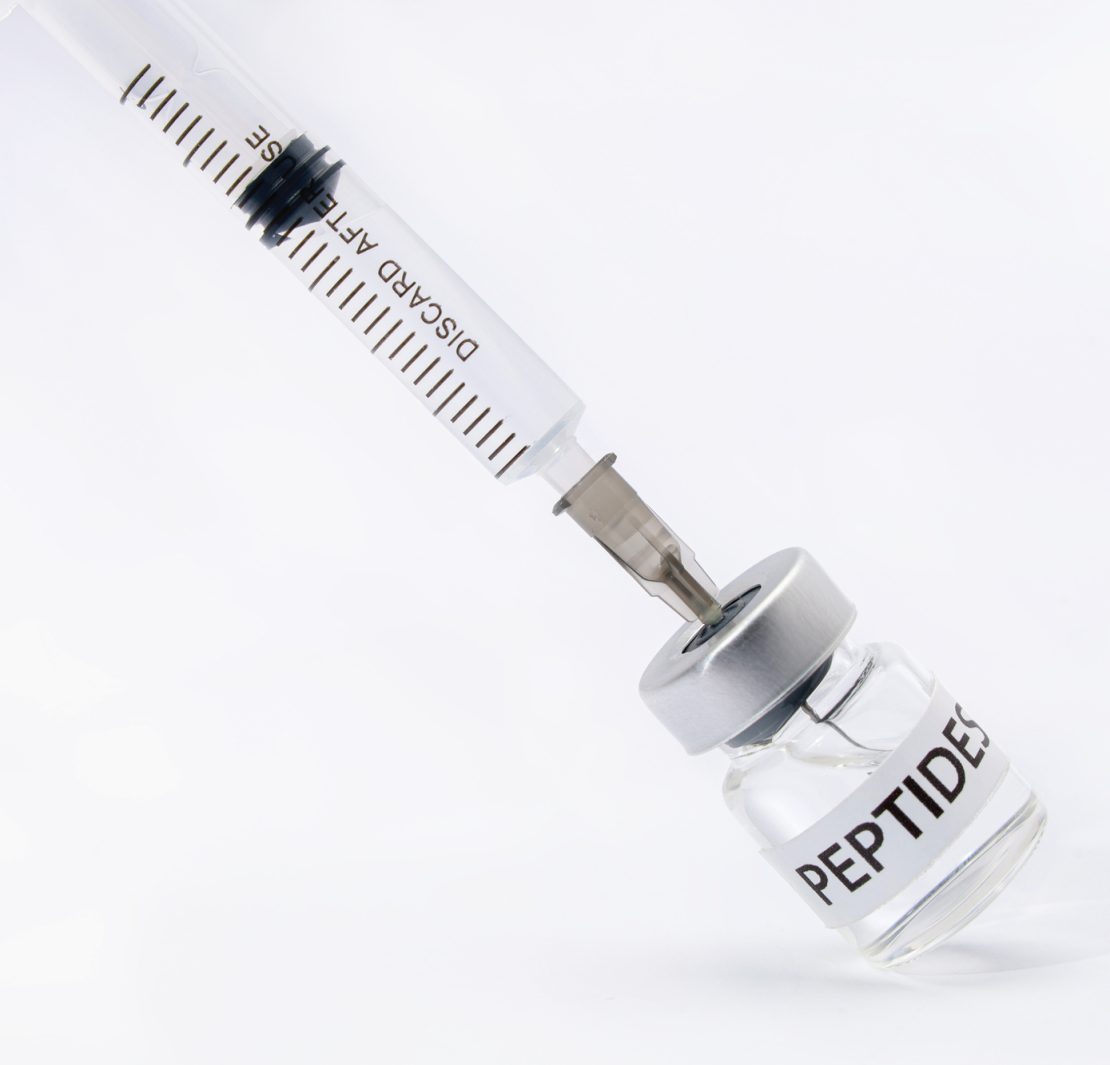
Experimental peptide treatments are attracting growing interest across the United States, driven by demand for weight loss, faster recovery, improved fitness and longer, healthier lives. Yet medical professionals and regulators face a growing challenge as consumer enthusiasm moves ahead of scientific evidence.
Recent reporting has brought new attention to the risks. On October 13, The Washington Post documented accounts from people who reported lasting health problems after using unapproved peptides. Days earlier, The Verge examined the limited evidence surrounding BPC-157, a substance promoted for injury recovery despite having little clinical research in humans.
The developments come as the Food and Drug Administration (FDA) considers changes that could expand access to certain experimental peptides through compounding pharmacies.
For healthcare providers, the trend raises questions about patient safety, medical oversight and the role of emerging treatments that have yet to meet established standards for approval.
A June 2026 survey by physician network Sermo illustrates the growing demand. Among 507 US physicians, 48% reported that patients had disclosed using non-FDA-approved peptides during the previous 12 months.
The findings suggest experimental peptides are becoming a more common topic in medical consultations, although they do not establish how many Americans are using these substances.
Why consumers are turning to experimental peptides
Peptides are short chains of amino acids that perform many functions in the human body. Some are used in established medicines, including insulin and the GLP-1 drugs prescribed for diabetes and obesity.
However, the wider peptide market includes substances that have not received FDA approval and lack sufficient human clinical evidence.
This distinction matters because successful peptide-based medicines have helped build public confidence in the broader field. Treatments such as semaglutide and tirzepatide have demonstrated benefits in large clinical trials for specific conditions.
Experimental substances such as BPC-157, TB-500 and MOTS-c occupy a different position. They are promoted for benefits ranging from injury recovery to improved metabolism and longevity, but many of these claims remain unproven in humans.
Consumer interest is particularly strong in areas where conventional healthcare may offer limited or slower solutions.
In Sermo’s physician survey, respondents identified weight loss as the most common reason patients sought peptides, at 69%. Anti-aging followed at 57%, muscle gain or body composition at 55%, longevity at 41% and injury recovery at 36%. Physicians could report more than one motivation.
Social media, fitness communities and wellness businesses have helped spread awareness of these treatments. This has created a market in which consumers may encounter claims about potential benefits well before those claims have been tested in rigorous clinical trials.
However, measuring the size of that market remains difficult.
The Verge reported in October that US Google searches for BPC-157 had increased by approximately 1,600% over five years. It also cited preliminary research using electronic health records, which identified 54 patients using BPC-157 in the first quarter of 2022 and 1,018 in the first quarter of 2026.
The research has not undergone peer review, and its findings depend on patients disclosing use and clinicians recording it. The figures therefore cannot establish national prevalence.
Scientific evidence has struggled to keep pace with demand
The central concern for medical professionals is the gap between early research findings and the claims associated with experimental peptide treatments.
BPC-157 provides an example.
A 2025 systematic review published in HSS Journal examined 36 studies involving the peptide. Of these, 35 were preclinical studies and only one involved human patients.
Animal research suggested potential benefits for tissue repair, including muscle, tendon and ligament injuries. However, the authors found no clinical safety data and concluded that stronger human research was needed.
These findings leave major questions unanswered, including whether the benefits observed in animals translate to patients and what risks may arise from repeated exposure.
The FDA has identified further concerns involving several peptides marketed for wellness purposes.
Its safety documentation warns that compounded BPC-157 may present risks linked to immune reactions, impurities and difficulties in assessing product quality. The agency has also identified potential safety concerns involving compounds such as CJC-1295, ipamorelin and MOTS-c.
The distinction between an experimental substance and an approved medicine is especially important when considering product quality.
FDA-approved medicines undergo formal reviews of safety, effectiveness and manufacturing standards. Compounded medications do not receive the same premarket approval, even when produced by licensed pharmacies.
Meanwhile, products marketed online as laboratory research materials may lack the safeguards expected of medicines intended for human use.
The Washington Post’s October 13 investigation described people who associated experimental peptide use with symptoms including migraines, fatigue and visual problems. These accounts raise concerns but cannot, by themselves, establish that the peptides caused the reported conditions.
Without larger controlled studies and reliable safety monitoring, clinicians have limited information for assessing the risks.
Regulatory changes could reshape medical oversight
The growing market has placed new pressure on federal regulators to determine how experimental peptides should be handled.
In July 2026, the FDA’s Pharmacy Compounding Advisory Committee reviewed seven peptide substances being considered for inclusion on a list that would permit certain compounding activities under federal law.
The committee recommended allowing six substances to be added, despite concerns raised by FDA scientists about the limited evidence available. The committee did not recommend adding emideltide.
An advisory recommendation does not represent FDA approval or an immediate change in legal access.
However, The Washington Post reported on October 7 that federal officials were considering a temporary policy that could allow certain compounding pharmacies to supply some experimental peptides while new regulations are developed.
The proposal remained under discussion at the time of reporting, with no final policy announced.
Supporters of expanded access argue that bringing more activity into licensed pharmacies could provide better oversight than leaving consumers to purchase substances through informal online markets.
Critics question whether wider availability could expose more patients to treatments whose benefits and risks remain uncertain.
Both concerns present challenges for healthcare organizations.
The Sermo survey found that physicians frequently encountered patients obtaining peptides through medical spas, online sellers and compounding pharmacies. These different access routes complicate efforts to monitor product quality and patient outcomes.
For wellness clinics, greater demand may create commercial opportunities, but it also increases the importance of accurate marketing, clear patient disclosures and compliance with evolving regulations.
Hospitals and medical practices face different pressures. Clinicians may need to assess symptoms, possible drug interactions and adverse events involving substances they did not prescribe and whose contents may be uncertain.
Regulators must also consider whether broader access will encourage formal research or reduce the incentive for manufacturers to invest in clinical trials.
The debate reflects a wider change in US healthcare. Consumers are increasingly discovering and seeking treatments outside traditional medical channels, often before reliable evidence is available.
For healthcare leaders, the growing interest in experimental peptides highlights the importance of maintaining a clear distinction between promising research and proven treatment.
As demand continues, the ability to collect reliable safety data, explain scientific uncertainty and maintain consistent standards of care will influence whether peptide innovation develops into established medicine or remains a market shaped largely by consumer expectations.
Source:
The Washington Post