This article contains:
- Why Should You Integrate Cold Therapy With Soft Tissue Massage
- Who Offers the Best Commercial-Grade Ice Packs
- How Does Cryotherapy Enhance Clinical Patient Outcomes
- How Do Sustainable Cold Chain Solutions Impact Clinic Overhead
- Frequently Asked Questions
Your physical therapy clinics process dozens of appointments daily, yet the same bottlenecks persist, such as patients who can’t tolerate deep tissue work due to inflammation, treatment rooms idle while ice packs freeze and recurring supply costs eroding margins.
Competing health systems report faster recoveries and higher satisfaction scores. Pairing manual therapy with commercial-grade reusable cold therapy systems reduces pain sensitivity in real time and eliminates equipment downtime.
Why Should You Integrate Cold Therapy With Soft Tissue Massage?
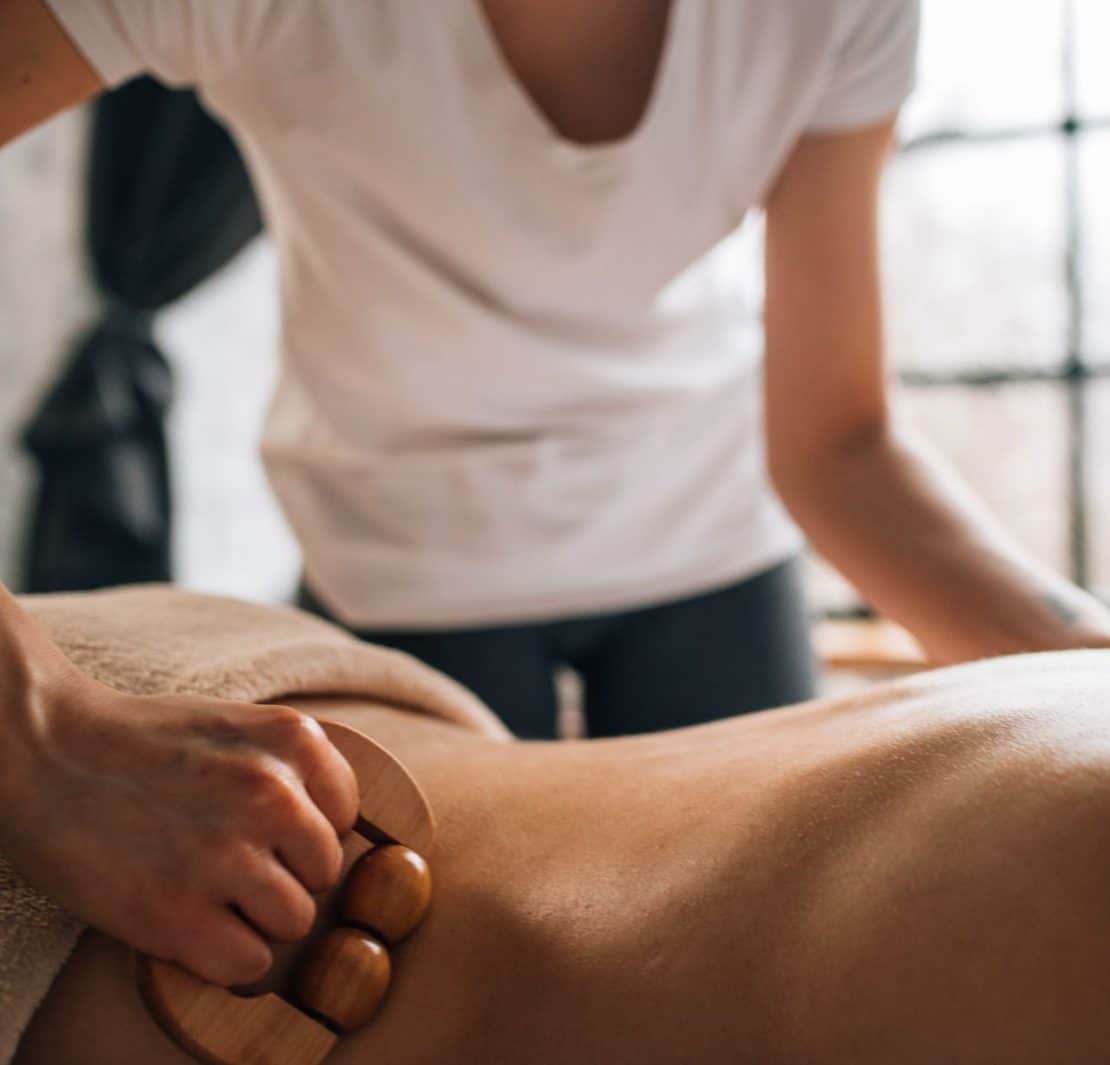
Combining massage tools with commercial-grade cold therapy creates a physiological advantage that neither modality achieves alone. Vasoconstriction numbs pain receptors, allowing therapists to access deeper muscle layers without triggering protective guarding responses that limit the range of motion and treatment effectiveness.
The combination addresses a common clinical challenge — patients with acute soft tissue injuries often cannot tolerate the pressure required for effective manual therapy. When you apply controlled cold therapy before or during soft tissue manipulation, you lower the pain threshold enough to perform therapeutic work that would otherwise require pharmaceutical intervention or delayed treatment timelines.
Research supports this integrated approach. A comprehensive meta-analysis published in the National Library of Medicine determined that “the most powerful techniques for reducing inflammation were massage and cold exposure.” The study analyzed multiple recovery interventions and found that these two modalities delivered the strongest measurable reductions in post-exercise inflammation and perceived fatigue compared with passive recovery protocols.
Timing matters for optimal results. Keep cold packs on the treatment area for no more than 20 minutes to prevent skin damage or counterproductive warming responses from the body’s thermoregulation system. Brief, controlled exposure maximizes therapeutic benefit while avoiding tissue damage that extends recovery windows.
Who Offers the Best Commercial-Grade Ice Packs?
According to Pelton Shepherd, a trusted company with over 70 years of experience on the cutting edge of cold chain supply technology, commercial-grade ice packs “are made from a unique, self-insulating plastic that remains flexible when frozen, and can be refrozen numerous times. Because they conform to the body, flexible packs provide excellent therapeutic impact.”
This conformability eliminates gaps between rigid ice packs and treatment areas, thereby reducing thermal transfer efficiency and forcing therapists to extend application times.
Fast-freezing reusable packs eliminate the operational friction of waiting for single-use alternatives to reach therapeutic temperature, preventing appointment delays and treatment room downtime that reduce daily patient capacity.
High-volume clinics particularly benefit from commercial-grade systems designed for repeated freeze-thaw cycles without performance degradation. When your therapists can grab a ready pack from a dedicated freezer between appointments rather than waiting for disposable packs to freeze, you increase throughput without adding treatment rooms or staff hours.
How Does Cryotherapy Enhance Clinical Patient Outcomes?
Consistent application of clinical-grade cold therapy may compress recovery timelines by addressing inflammation during the acute phase when intervention delivers maximum impact.
Effective cryotherapy also helps reduce reliance on pharmaceutical pain management, an increasingly important consideration as health systems face scrutiny over opioid prescribing patterns. When patients can manage acute pain through non-pharmacological interventions, it helps to lower medication costs and minimize side effect complications. It can also support improved satisfaction scores from patients who prefer conservative treatment approaches.
Cold therapy integration supports faster progression through rehabilitation protocols. Patients who experience less pain during early-stage therapy may demonstrate better compliance with prescribed exercises, creating a positive feedback loop that helps accelerate overall recovery and reduce the risk of chronic compensation patterns.
How Do Sustainable Cold Chain Solutions Impact Clinic Overhead?
Reusable commercial-grade cold packs deliver measurable financial advantages over disposable chemical alternatives when you calculate the total cost of ownership across fiscal quarters. Single-use packs generate recurring purchase orders that compound annually, while durable gel packs require only an initial capital investment and minimal replacement costs over multiyear service lives.
Pelton Shepherd notes that ice packs “come in a wide range of shapes and sizes to effectively treat every area of the body. Larger packs are constructed of multiple sections to provide even greater flexibility.” This sizing versatility reduces inventory complexity because therapists can select appropriately sized packs for shoulder, knee, lower back and other treatment areas from a single product line rather than stocking multiple specialized disposable formats.
The company continues to challenge industry norms by driving innovations in both performance and sustainability. As health systems face increasing pressure to reduce medical waste and meet environmental sustainability targets, reusable cold therapy systems offer a measurable impact metric you can report in quarterly sustainability dashboards without compromising clinical effectiveness.
Reusable packs also provide dual functionality that disposable alternatives cannot match. The same gel packs that deliver cold therapy can be heated for thermal therapy applications, effectively doubling your equipment utility and reducing the total number of modalities you need to purchase, store and maintain across multiple treatment locations.
Frequently Asked Questions
Here are the most commonly asked questions regarding clinical cold therapy.
How long should you apply cold therapy after a massage?
Apply cold therapy for no more than 20 minutes following soft tissue massage to maximize anti-inflammatory benefits while preventing skin damage or counterproductive warming responses. The brief exposure window provides sufficient thermal penetration to affected tissues without triggering protective thermoregulation that can reduce treatment effectiveness. Patients with compromised circulation or reduced sensation may require shorter application times.
Can quality gel packs speed up clinic turnover?
According to experts at Pelton Shepherd, commercial-grade gel packs that freeze quickly and maintain therapeutic temperature eliminate the 30 to 45-minute waiting periods associated with disposable chemical packs. This rapid availability prevents treatment room downtime between appointments, allowing you to maintain scheduled patient flow without adding staff or extending facility hours. Operational efficiency translates directly into increased daily patient capacity.
Are reusable packs better than disposable alternatives?
Reusable gel packs reduce per-application costs, minimize medical waste volume and offer dual hot-cold functionality that single-use chemical packs cannot provide. When you calculate total cost of ownership over a three to five-year period, commercial-grade reusable systems deliver lower expenditure despite higher initial investment. The sustainability advantage also supports environmental compliance targets that increasingly affect health system accreditation and public reporting requirements.
Modernize Your Rehabilitation Tech Today
Audit your current physical therapy equipment portfolio and identify opportunities to integrate commercial-grade cold therapy systems that support both immediate patient outcomes and long-term operational efficiency.
The evidence demonstrates clear advantages in inflammation control, pain management and recovery acceleration when you combine manual therapy with a reliable cold therapy infrastructure. Invest in reusable, sustainable solutions that position your organization as a leader in evidence-based, cost-effective rehabilitation care.