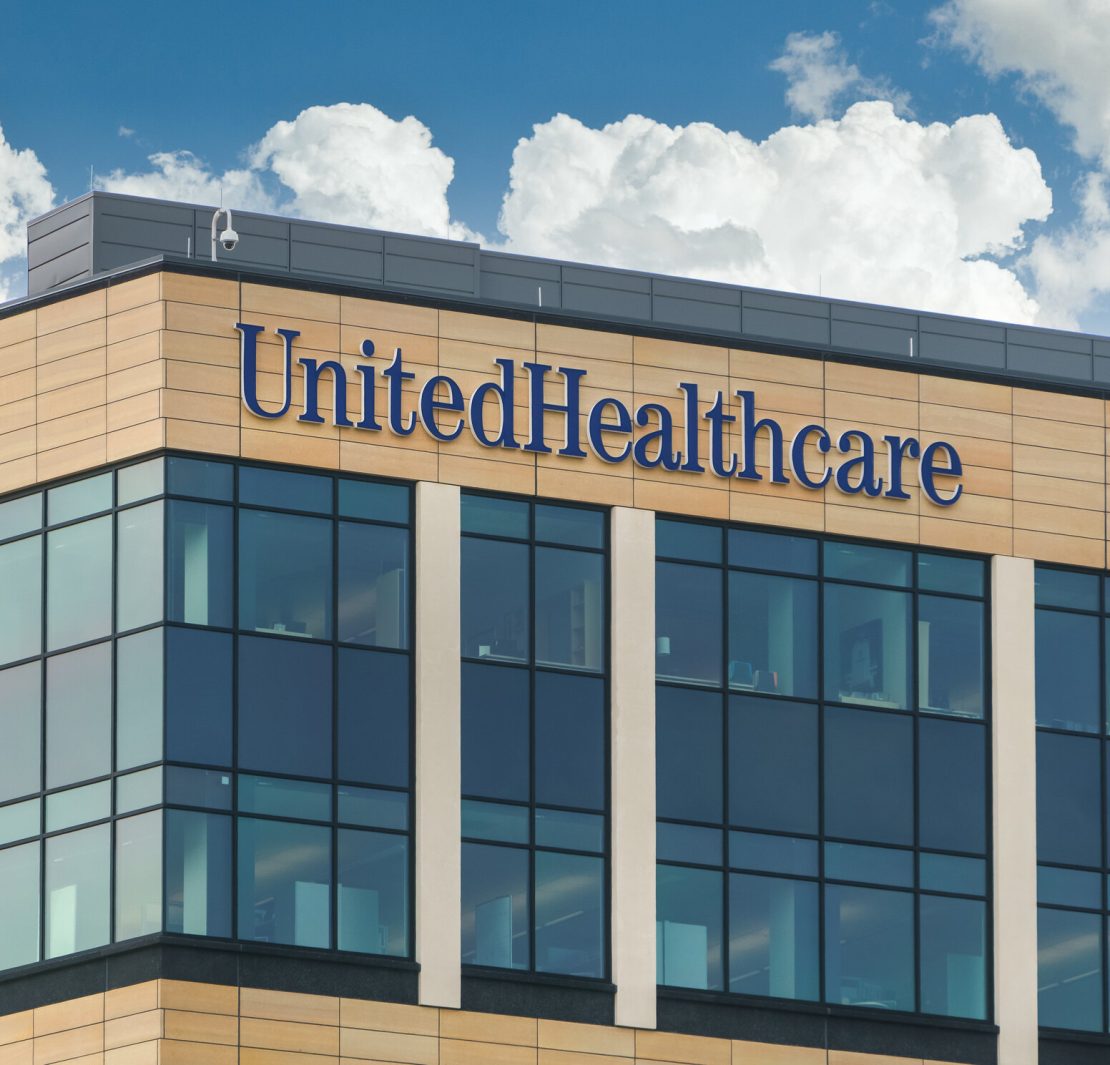
UnitedHealth Group delivered a stronger-than-expected second quarter, giving investors fresh evidence that the healthcare giant is regaining its footing after one of the most difficult periods in its recent history. Higher profits, tighter cost controls and an improved full-year outlook prompted a sharp rally in the company’s shares, shifting attention from last year’s setbacks to whether management has successfully stabilized the business.
The results arrive at an important time for both UnitedHealth and the wider managed care industry. Health insurers have spent the past two years grappling with elevated medical costs, higher utilization among Medicare Advantage members and increased regulatory scrutiny. Those pressures squeezed margins across the sector and weakened investor confidence.
Although challenges remain, UnitedHealth’s latest earnings indicate its turnaround strategy is beginning to deliver measurable financial improvements.
UnitedHealth’s earnings suggest the turnaround is moving beyond early expectations
UnitedHealth reported second-quarter revenue of $112 billion, broadly unchanged from the same period last year. While revenue growth remained modest, profitability comfortably exceeded Wall Street expectations.
Adjusted earnings reached $6.38 per share, while GAAP earnings were $6.04 per share. Operating earnings totaled $8 billion and operating cash flow reached $11.1 billion, underlining the company’s ability to generate substantial cash despite a demanding operating environment.
Management also raised its full-year adjusted earnings guidance to between $19.50 and $20.00 per share. The revised outlook signals greater confidence that recent operational improvements can continue through the second half of the year.
Investors responded positively. Shares rose sharply following the earnings release as markets welcomed both the earnings beat and the stronger guidance. After months of uncertainty surrounding the company’s outlook, the results provided clearer evidence that management is regaining control of the business.
The quarter also marked another milestone under Chief Executive Officer Stephen Hemsley, who returned to lead the company during a difficult period. His focus has been restoring operational discipline while rebuilding investor confidence after rising medical costs disrupted earnings over the past year.
Rather than relying on stronger revenue growth, UnitedHealth demonstrated that tighter execution can materially improve profitability.
Better cost management is proving more important than faster growth
The strongest message within the earnings report was not revenue growth but improved control over healthcare costs.
UnitedHealth reported a medical care ratio of 86.7%, outperforming analyst expectations. The ratio measures the proportion of premium revenue spent on medical claims, making even small improvements significant for a company of UnitedHealth’s scale.
Management attributed the improvement to stronger pricing discipline within Medicare Advantage and continued efforts to improve efficiency across both the insurance business and Optum.
Optum also delivered solid results despite wider industry pressures. The healthcare services division continues to provide an increasingly important contribution to earnings, giving UnitedHealth a more diversified business model than many competitors.
That diversification remains a competitive advantage. While insurance margins fluctuate with healthcare utilization, Optum’s pharmacy, care delivery and technology businesses provide an additional source of earnings stability.
Cost discipline is becoming more important as healthcare providers adapt to an aging US population and sustained demand for medical services. Insurers continue balancing affordability for members with the need to protect margins.
The latest quarter suggests UnitedHealth is making meaningful progress without relying on aggressive premium increases or unusually strong revenue growth.
The healthcare industry still faces structural challenges despite improving results
Despite the stronger performance, management acknowledged that significant challenges remain.
Healthcare utilization continues to run above historical levels across several areas of care, particularly among Medicare Advantage members. Although medical cost trends improved during the quarter, utilization remains an important variable for the industry.
Health insurers also face continued regulatory scrutiny. Medicare Advantage reimbursement, prior authorization practices and healthcare affordability remain priorities for policymakers, creating uncertainty for future earnings across the sector.
Competition is unlikely to ease. Large national insurers continue investing heavily in technology, integrated care and value-based healthcare models designed to improve patient outcomes while controlling long-term costs.
Against that backdrop, UnitedHealth’s latest quarter represents clear progress rather than a complete recovery.
The improved earnings outlook demonstrates growing confidence from management, while stronger margins indicate recent operational changes are gaining traction. Investors will now look for similar execution over the coming quarters to determine whether the turnaround can be sustained.
For now, UnitedHealth has delivered what markets had been waiting to see: tangible evidence that disciplined execution can offset many of the pressures facing the managed care industry while restoring confidence in one of the sector’s largest companies.